

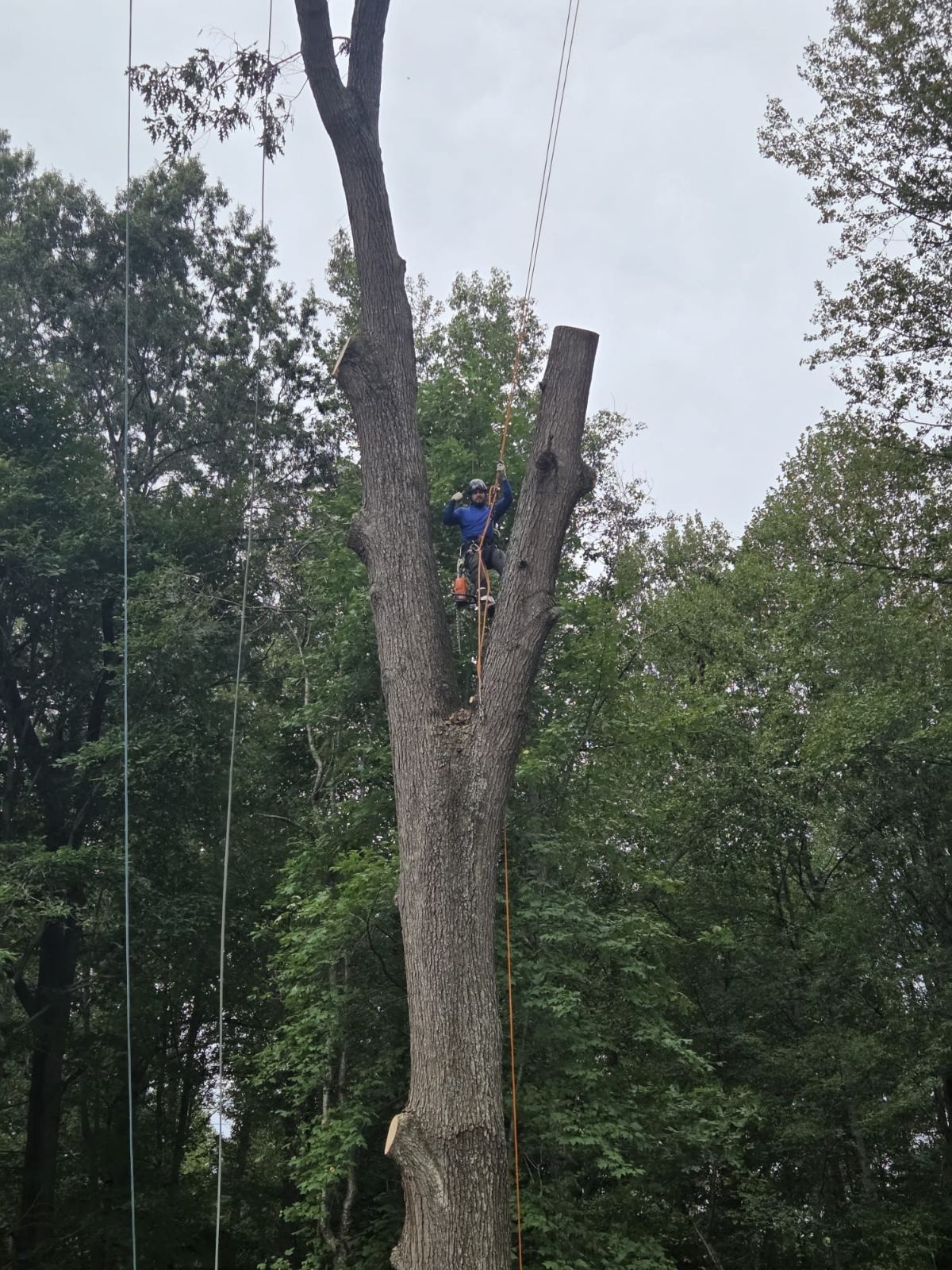
If you are considering tree removal near a fence that will also be replaced, discuss both projects before booking either crew. The useful starting point is a shared description of the finished space: which tree is being assessed, which fence section is changing and whether the stump or surrounding ground affects the proposed fence layout. Ask the tree service to assess the removal first, then share the proposed scope with the fence provider. The best sequence depends on the site and the work each provider accepts. A coordinated plan can help avoid blocked access, overlapping appointments and assumptions about who will leave the area ready for the next visit.
Agree on the finished space before setting dates
Describe the fence project when requesting the tree assessment. Explain whether you intend to replace panels along the existing line, change a gate opening or discuss a different layout with the fence installer. Share a simple sketch or photographs taken from a safe location. They help explain the request, but they do not replace an on-site assessment. Avoid treating the tree and fence as unrelated bookings when they affect the same working area.
Ask each provider which decisions must be settled before their work can be confirmed. The fence installer may need information about the space remaining after removal, while the tree service may need to understand which existing structures will stay in place. Record the agreed scope without assuming that one provider is responsible for the other provider’s work. Questions about property boundaries, permissions or applicable approvals should be clarified through the appropriate parties before work begins.
Keep access decisions separate from the construction plan
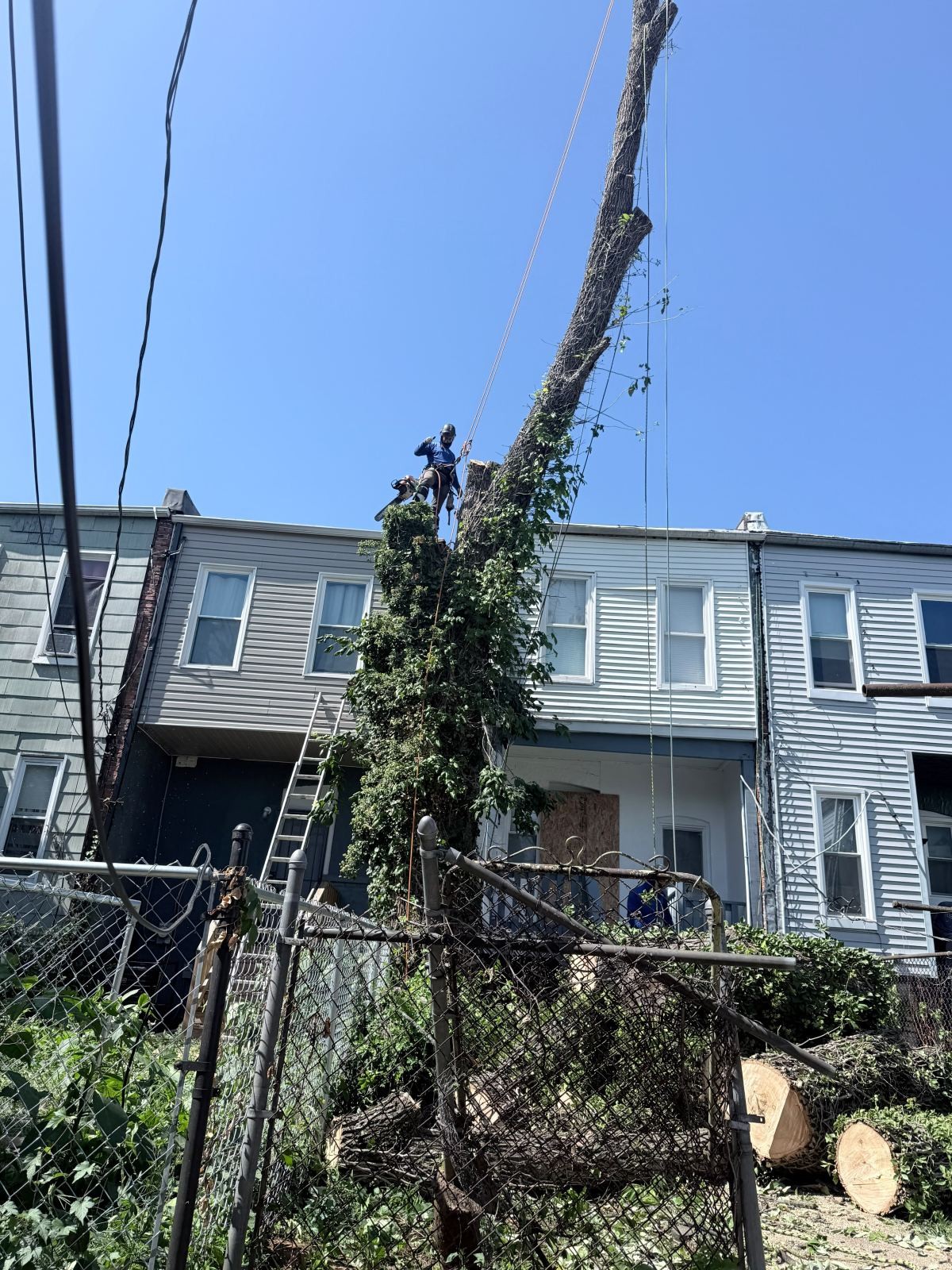
An existing gate or fence section may affect the route a tree crew can use. Ask the tree service to identify its access needs during the assessment, and tell the fence installer about them before finalizing delivery and installation. Do not remove panels yourself or authorize changes based only on a photograph. If temporary access changes are proposed, confirm who will handle them, what is included and how the property will be left between visits.
Consider where fence materials, vehicles and equipment would be placed on each appointment date. A convenient delivery area for one crew could obstruct the other crew’s route. Instead of trying to solve equipment arrangements yourself, give both providers the same information and ask them to confirm a workable sequence. Keep children, pets and unrelated visitors outside work areas, and follow the arrangements communicated by the professionals responsible for the job.
Clarify the stump and ground conditions at the handoff
Removing a tree and preparing a location for fence installation are different scopes of work. Do not assume that a tree removal estimate includes stump grinding, removal of all roots, filling a depression or preparing a finished surface. Ask which of those tasks, if any, are included or available separately. Then ask the fence provider what condition the area needs to be in before the installation can proceed.
The goal is to identify a clear handoff, not to prescribe how either trade should work. For example, one provider may finish its agreed removal and cleanup while another appointment is still needed before fence work can start. Put that dependency into the schedule. Any assessment involving ground work, existing utilities or the suitability of a proposed fence position belongs with the qualified professionals and relevant local processes, rather than assumptions made from the cleared space.
Use completion milestones instead of tightly overlapping bookings
Ask what must be confirmed before the next crew should arrive. A useful milestone might be completion of the agreed tree work, removal of specified debris and a clear access route. It should describe an observable result, rather than simply naming a date. Confirm who will communicate that the milestone has been reached. Avoid assuming that two independent providers will contact each other unless they have agreed to do so.
Weather, site conditions or a revised assessment can change a planned sequence. Discuss how each provider handles schedule changes before booking closely spaced appointments. As an illustrative example, a homeowner might arrange the tree assessment first, confirm the removal and cleanup scope, and ask the fence installer to finalize its visit after the agreed handoff condition is confirmed. This is a planning example, not a record of a completed Allison project or a fixed schedule suitable for every property.
Send both providers a short written coordination summary
Keep the summary focused: the area involved, the work accepted by each provider, any agreed access arrangements, the required handoff condition and the person responsible for confirming the next appointment. Include unresolved questions rather than filling gaps with assumptions. If the scope changes, share the updated information before the next visit. Clear coordination is especially useful when estimates were prepared at different times or describe cleanup in different ways.
To start the tree portion of the project, request an assessment of the tree and explain the planned fence replacement. Ask what information the tree service needs from you and what the fence provider should know before setting its installation date. This keeps the conversation centered on the actual property and the agreed work. It also makes it easier to distinguish tree removal responsibilities from fence installation, finishing and any separate work still required.