

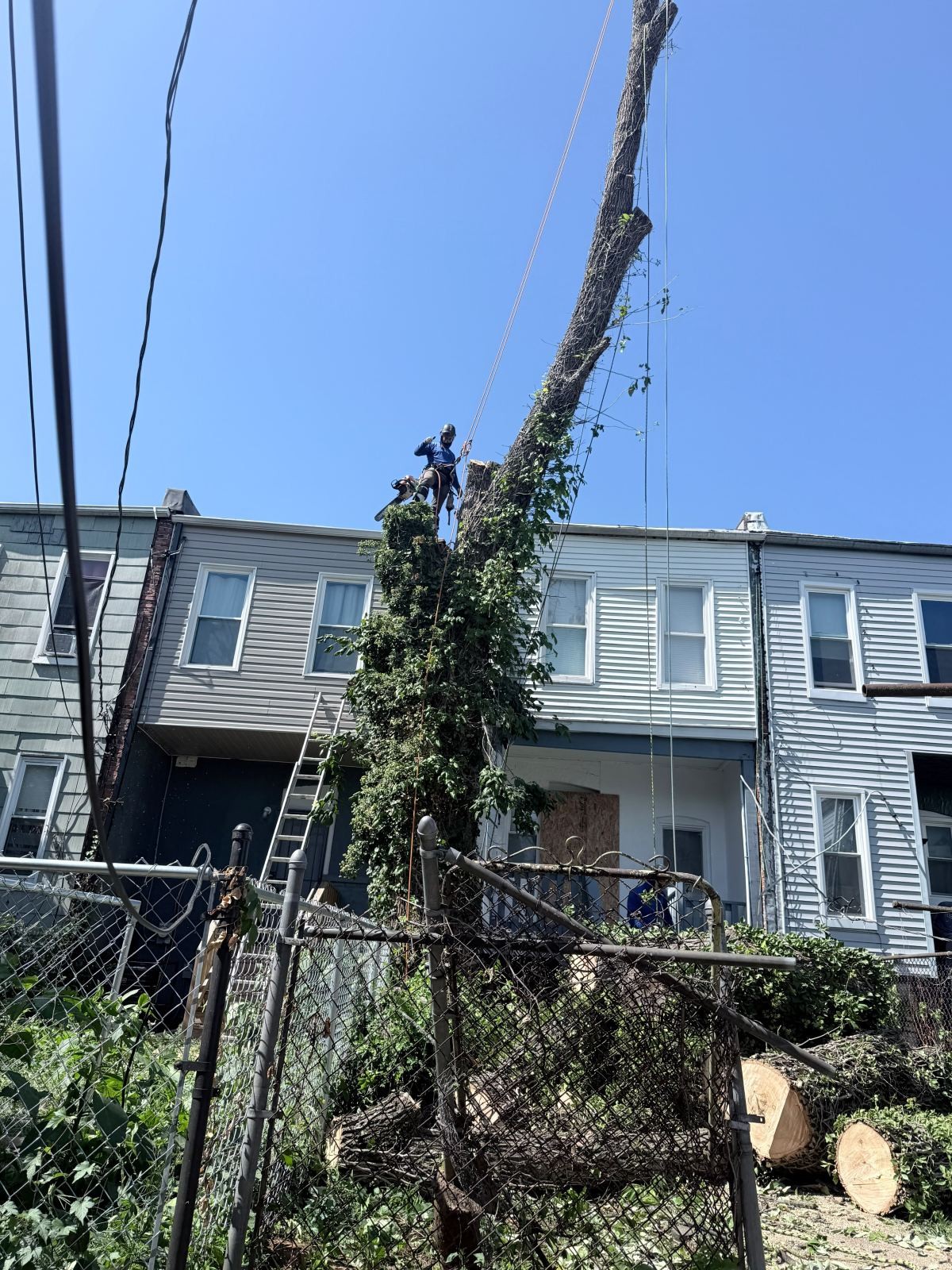
To protect a lawn or ground cover during tree removal, identify the areas you want preserved and discuss access, equipment placement, debris handling, and cleanup with the provider before work is planned. Ask which parts of the yard may be affected and what alternatives are practical for the site. Ground conditions, tree location, and the chosen work approach all matter, so discuss expectations rather than assuming any area will remain untouched.
Mark what should remain
Start by identifying the lawn and ground-cover areas that matter most. These might include a frequently used route across the yard, a patch of established grass, low-growing plants, or a section you recently seeded. The goal is to make your priorities visible and specific, not to create a technical work plan yourself.
Use a simple sketch or photos taken from several angles. Mark the tree, the areas you hope to preserve, and any obvious access routes or narrow passages. If a boundary is approximate, say so. A provider can then discuss whether the requested work area and access needs appear compatible with those priorities, and what needs closer review on site.
Compare access and staging choices
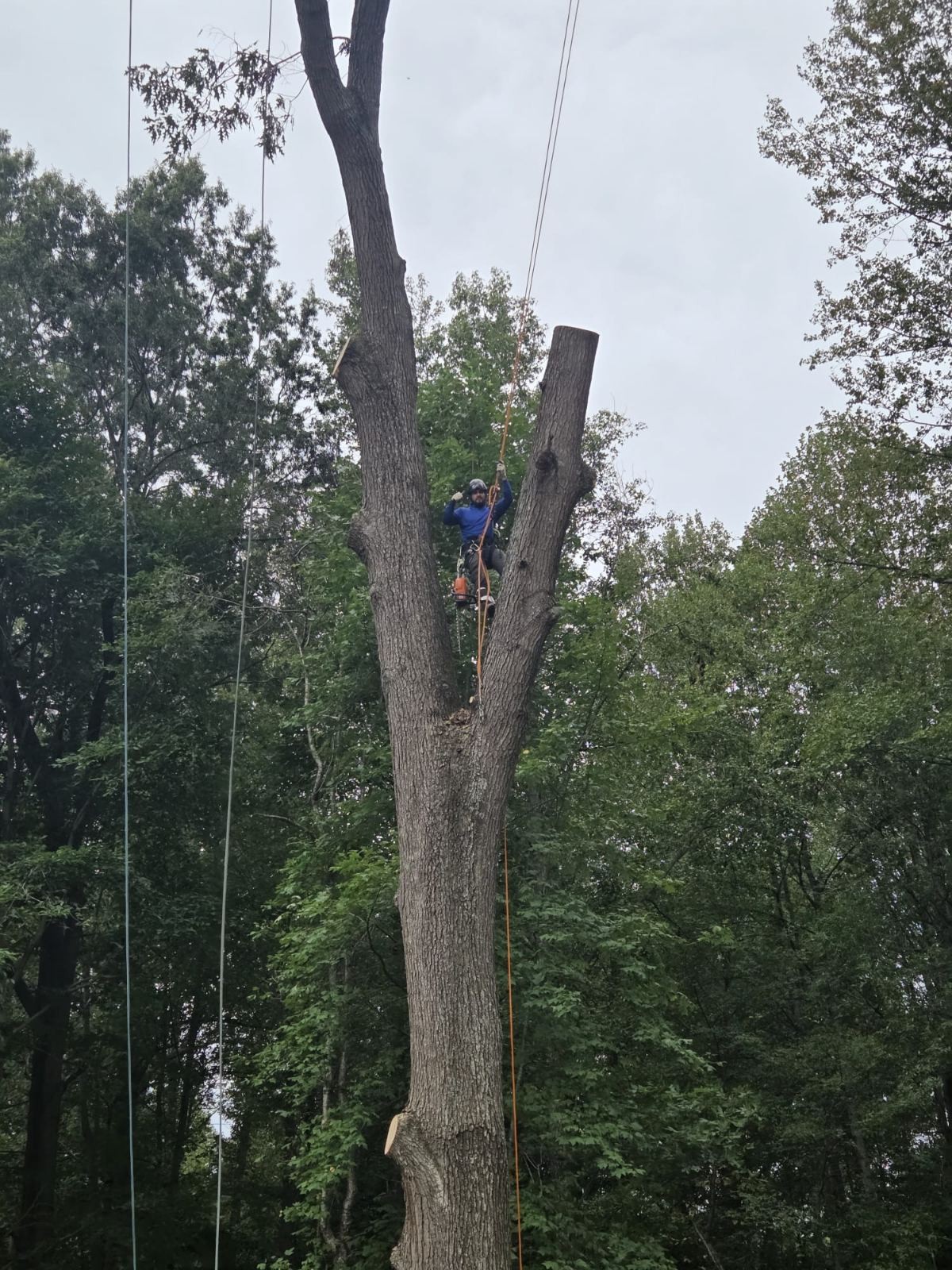
Access is one of the main points to clarify because people, equipment, and removed material may need to move through or near the lawn. Ask where the crew expects to enter, where equipment or materials might be positioned, and whether the proposed route crosses the ground cover you want to keep. Do not assume the shortest route is the only option.
Different approaches can involve different trade-offs. A route that avoids a planted area may require a longer path; a tighter work area may affect how materials are handled. These are discussion points, not a promise that a particular route or method is available. Ask the provider to explain which options fit the tree and property, and what each could mean for the areas you marked.
| Planning point | What to clarify |
|---|---|
| Access route | Where people and equipment may travel |
| Staging area | Where equipment or removed material may be placed |
| Preservation priority | Which lawn or ground-cover areas matter most |
Discuss ground conditions and limits
A lawn can look firm while conditions below or around the surface vary. Recent rain, soft soil, slopes, roots, and narrow access can affect what is practical. Share any observations you have, such as a section that stays wet or an area where the ground has been recently disturbed. Treat these as useful context, not a substitute for the provider’s assessment.
Ask what conditions could change the plan and how the provider will communicate if the proposed route or work area needs to change. It is also reasonable to ask what kinds of surface disturbance are possible and which areas cannot be confidently protected. No plan can remove every uncertainty; the likely effects depend on the site, conditions at the time, and the work approach.
Agree on cleanup and follow-up
Before scheduling, clarify what cleanup is included and what the finished work area is expected to look like. Ask how branches, wood, and other debris will be handled, and whether the discussion includes any visible disturbance to lawn or ground cover. Do not assume that debris removal also includes lawn repair, reseeding, or replacement planting; ask directly what is and is not part of the agreed scope.
Write down the priorities you discussed and confirm them with the provider before work begins. For example, an illustrative homeowner might mark a narrow strip of ground cover beside the lawn, ask whether the access route can avoid it, and confirm how debris will be removed. That example describes a planning conversation, not a documented project or a guaranteed outcome. For details about the service, review Allison Tree Services’ tree removal service.
Common questions
Can I expect the lawn to remain undamaged?
It is better to discuss the risk and likely work area than to expect a particular outcome. Conditions, access, and the work approach can affect the lawn. Ask which areas may be disturbed, what steps are practical to limit impacts, and how any changes to the plan will be communicated.
What should I send before requesting an estimate?
Share clear photos showing the tree, the lawn or ground cover you want preserved, and possible access routes. Add a simple sketch with your priorities and note any areas that are often soft or difficult to cross. Ask the provider what additional information would help assess the site and discuss the work scope.