
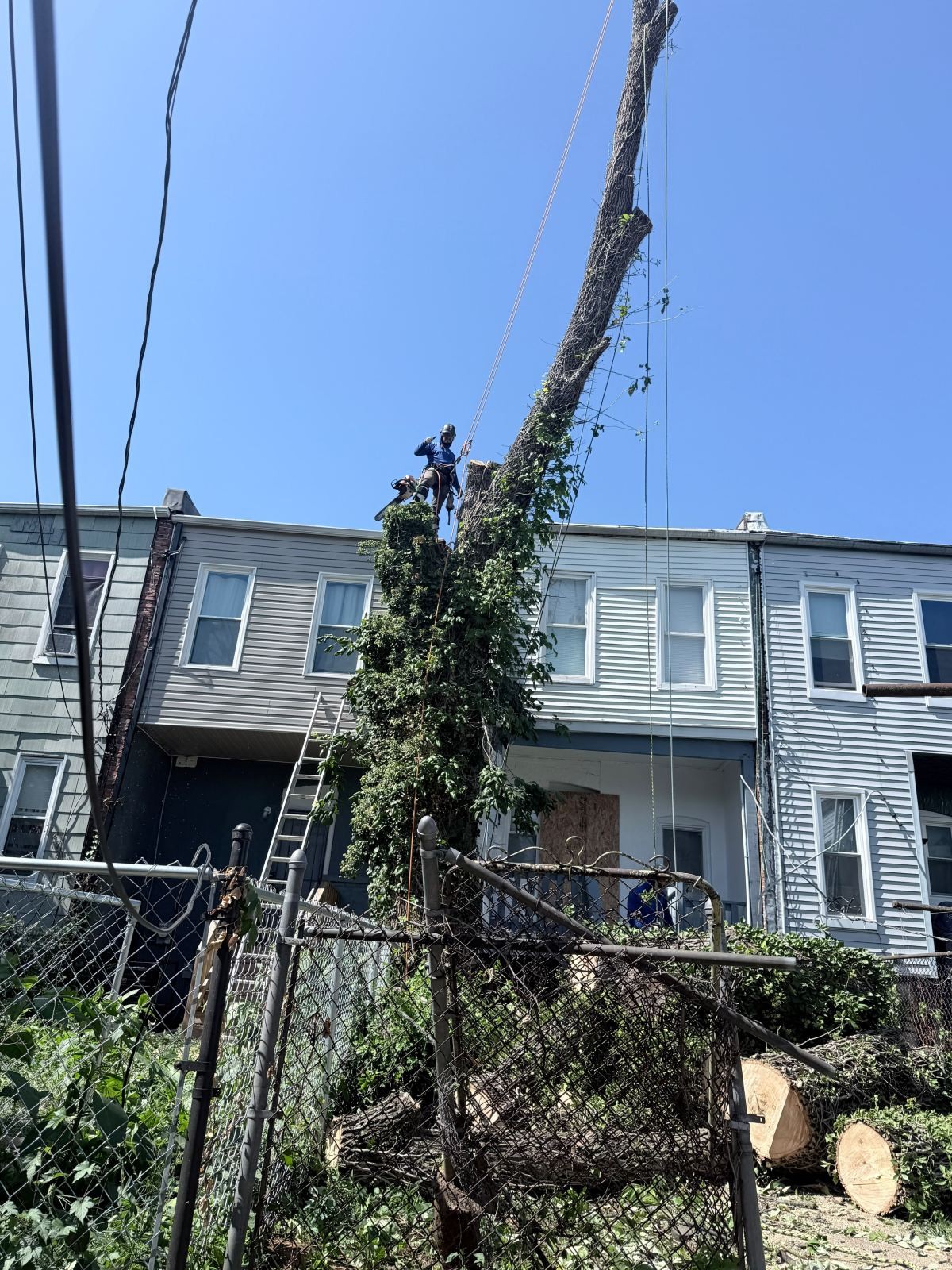
Plan tree removal around the work that depends on the space, not just the season on the calendar. First, identify what the yard project needs: open ground, access for equipment, a clear planting area, or protection for features you want to keep. Then discuss the intended sequence, site conditions, cleanup, and scheduling flexibility with a tree removal provider. The right order depends on the property, the scope of removal, and the next contractor’s needs; a conversation can help clarify those dependencies, but it cannot establish a universal timeline.
Start with the yard project’s dependencies
Write down what the planned work involves and which parts of the yard it will use. A planting project may need a particular area cleared, while grading or another landscape change may depend on access across the site. These are planning considerations, not assumptions about what a provider will need. Mark the tree or trees being considered for removal and note the areas the next project needs to reach.
Separate firm requirements from preferences. For example, a future planting bed might need to occupy the space where a tree stands, while a preferred planting date may be flexible. This distinction helps you explain what must happen before the next phase and what can move if the removal schedule changes. If you are still deciding whether removal is the right service, review the details of Allison Tree Services’ tree removal service and discuss the specific tree and yard plan.
Choose a sequence, not a fixed season
A useful sequence begins with the work that could affect the rest of the yard. If removal, access, or cleanup could disturb an area intended for planting or finished landscaping, ask whether that work should happen before those features are installed. If another phase needs to happen first, explain why and ask the provider to consider that dependency when discussing the plan. The answer can vary with the tree, site, scope, and the work that follows.
Avoid treating a season as a promise of availability or a universal rule. Weather, site conditions, the provider’s schedule, and coordination with other work can all affect timing. Instead, share your preferred window and ask what could change it. As an illustrative example, a homeowner planning a spring planting bed might ask whether removal and the agreed cleanup should be completed before the planting contractor prepares that area. That example shows a question to discuss, not a recommended date or a guaranteed sequence.
Share the site details that affect the plan
Give the provider a concise picture of the intended work area and what you want to preserve. Note the planned planting or grading zone, paths that other workers may use, and visible features such as fences, beds, or surfaces that should remain undisturbed. Photos can help show the layout, but they do not replace an on-site assessment when one is needed. Do not assume that a photograph alone establishes the work method or schedule.
Be specific about the requested scope and cleanup. Ask what removal includes, what happens to debris, and whether the proposed work leaves the area in a condition that suits the next phase. If you expect the ground to be ready for planting or grading, describe what “ready” means to you and ask whether that condition is part of the discussed scope. Tree removal and later landscape preparation may be separate tasks, so clarify responsibilities rather than assuming one includes the other.
Coordinate the handoff to the next phase
If another contractor will plant, grade, install a feature, or otherwise work in the yard, compare the sequence with that provider too. Ask what they need before starting: access, a cleared work area, a particular surface condition, or confirmation that removal and cleanup are complete. Then share those requirements with the tree removal provider. This coordination can reveal conflicts early, such as a planned route crossing a newly prepared area.
Keep the plan flexible until the scope and timing are discussed. A change in weather, site conditions, or the other contractor’s availability may require a revised order. Decide who will communicate schedule changes and how you will confirm that one phase is complete before the next begins. For questions about the removal scope, use the provider’s tree removal service information as a starting point, then contact the business to discuss the property-specific details.
Common questions
Should removal happen before planting?
Often, it is sensible to discuss removal before planting in the same area, especially if access or cleanup could affect the prepared ground. But the sequence depends on the site and the work involved. Ask both providers what conditions they need, whether the planting area should remain untouched until removal is complete, and what cleanup is included. Confirm the agreed handoff rather than assuming that removal automatically prepares soil for planting.
How far ahead should I schedule?
There is no single lead time that fits every property or season. Share your preferred project window, the next contractor’s availability, and any dates that matter to you. Ask the tree removal provider what scheduling flexibility is possible and what conditions could affect the plan. Treat dates as coordination points to confirm, not as a promise that every phase will happen on a particular day.