

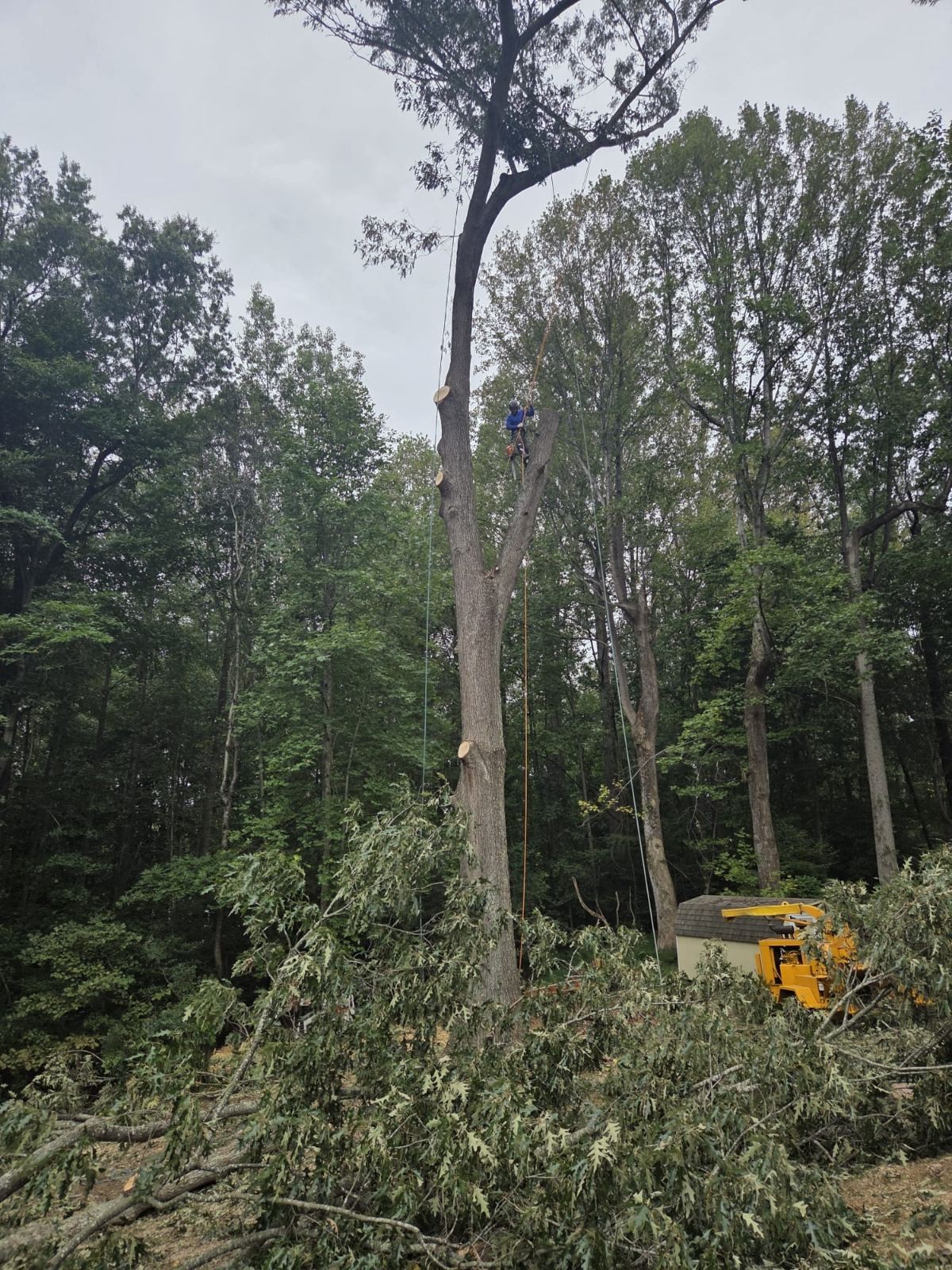
When a shared driveway limits access, document the route and its constraints, coordinate with the people who use it, and ask the tree removal provider how access will shape the work plan. Clarify where vehicles may wait, whether the route needs to remain passable, and how arrival, equipment movement, and cleanup will be handled. The right plan depends on the tree, site, equipment, and driveway arrangement, so confirm details directly rather than assuming a particular setup.
Map the shared route and its constraints
Start by describing the driveway as a working route, not simply as a place to park. Note where it begins and ends, which homes or spaces it serves, and whether vehicles can pass one another or turn around. Identify gates, narrow sections, slopes, overhead obstructions, parked cars, and places where the surface changes. These observations help a provider understand what may affect access, but they do not determine which equipment or removal method is appropriate.
Record when the route is typically in use and whether any part must stay open for residents, deliveries, or other expected access. Avoid assuming that a brief closure is acceptable just because the driveway looks quiet during a visit. If you do not know who has authority to approve a temporary restriction, find out before treating it as settled. A simple sketch can show the tree, driveway entrance, nearby parking, and possible staging areas without claiming exact measurements.
- Mark the shared entrance, the tree, and the homes or parking areas served.
- Note visible pinch points, gates, overhead obstructions, slopes, and usual parking.
- Describe when access is busiest and what needs to remain reachable.
Coordinate with the people who share it
Tell other driveway users that you are exploring tree removal and ask what access they need during the possible work period. Find out whether they have recurring arrival or departure times, deliveries, or another practical constraint to discuss. Keep the conversation specific: the goal is to identify conflicts and questions, not to announce a schedule that has not been confirmed with the provider.
Agree on who will communicate updates and how changes will be shared. If several households are involved, a short written summary can reduce confusion about the driveway, the tree location, and any access concerns. Do not assume that a neighbor’s informal agreement settles ownership, permission, or other property arrangements. Where responsibility or permission is unclear, pause and clarify it with the relevant people before making commitments.
- Let affected driveway users know that you are seeking a removal plan.
- Collect their access needs and any times that may create a conflict.
- Choose a contact person for updates once a work plan is discussed.
- Resolve unclear permission or responsibility before confirming arrangements.
Ask the provider how access affects the plan
Share your observations and ask the provider to explain what access they need for the proposed work. Useful questions include where the crew expects to arrive, whether vehicles or equipment need to use the shared route, what space may be needed for staging, and whether the driveway can remain open during any part of the work. Ask how the plan changes if the route cannot be used as expected. The answer depends on the site and the work; a homeowner’s description alone cannot establish equipment needs.
Clarify how the provider expects to communicate a temporary access restriction, if one is needed, and who should receive that update. Ask what should be moved or kept clear, and whether the provider needs additional information before confirming the plan. For an overview of the service, review the [tree removal service details](https://allisontreeservices.com/services/tree-services/tree-removal/). Keep the discussion focused on the actual driveway and tree rather than assuming a standard approach applies to every property.
- What access route and staging space do you need for this site?
- Can residents use the driveway during the work, or should they plan around a restriction?
- What should be clear before arrival, and who will communicate changes?
- What alternatives should we discuss if the shared route is unavailable?
Confirm the plan and prepare useful details
Before the work date is settled, restate the access arrangement in plain language: which route is involved, what residents should expect, who will share updates, and what remains uncertain. Ask the provider to confirm any important assumptions about arrival, staging, driveway availability, and cleanup. If the plan depends on a neighbor moving a vehicle or keeping a space open, make sure that expectation is communicated and agreed rather than left implicit.
For example, imagine a shared drive with two homes and a narrow section beside the tree. One resident needs to leave during the morning, while the other can use alternate parking. This is an illustrative scenario, not a description of a client project. The useful next step would be to tell the provider about the narrow section and timing need, then ask whether the proposed access plan can accommodate them or needs adjustment. If the answer is not yet clear, keep the arrangement provisional.
- Confirm the route, staging expectations, and any period when access may change.
- Tell affected users what is confirmed and what is still pending.
- Ask who to contact if the driveway conditions differ on the planned day.
- Revisit the plan if parking, access needs, or site conditions change.
A shared driveway is a planning constraint to describe and coordinate, not a reason to guess at equipment or promise uninterrupted access. Clear observations and direct questions help the provider discuss a site-specific plan.
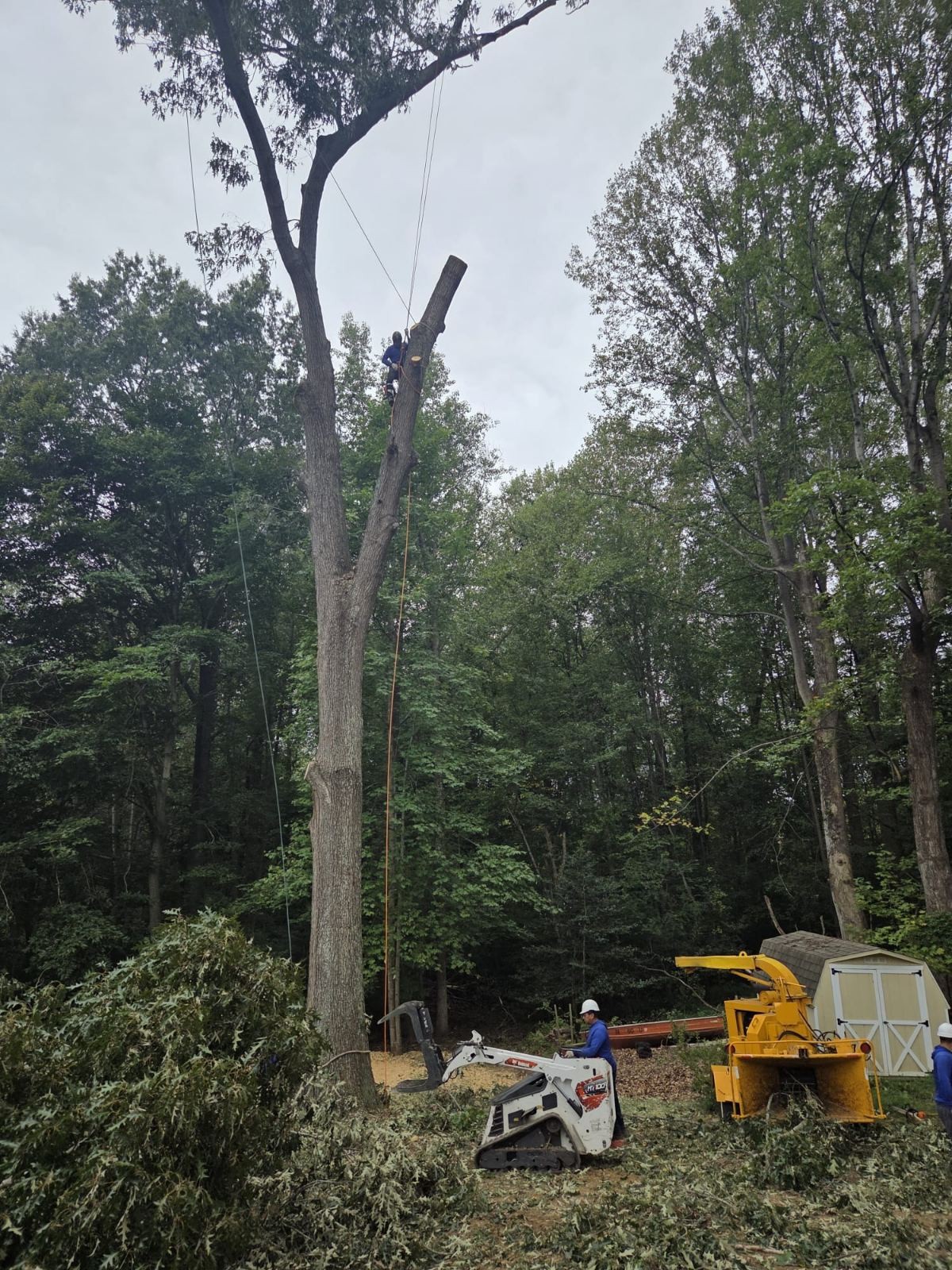
Common questions
What information should I send first?
Send the tree’s location relative to the shared driveway, a description or sketch of the route, visible pinch points, usual parking, and the access times that matter. Include who uses the driveway and any known limits on temporary restrictions. Photos can help show context, but they may not reveal every clearance or site condition. Ask the provider what additional details are needed before they assess access.
Should I tell neighbors before the estimate?
It is useful to raise the possibility early if the work could affect a route they use. Explain that you are gathering information, not confirming a date or closure. Ask about their access needs and share those with the provider. If permission or responsibility for the driveway is uncertain, clarify it with the relevant people before agreeing to a work arrangement.