
For a tree removal estimate covering multiple properties, send one organized request with a separate record for each address. Identify the tree or trees, describe the work you want considered, note access and nearby features, and state your cleanup preferences. Ask the provider to show which work applies to each property so you can review the proposed scope separately. Photos can help explain the request, but they do not replace an on-site assessment when one is needed.
Separate the properties and identify each site
Start with a distinct section for every property, even if the sites are close together or have the same owner. Include the street address and a useful site label, such as “Maple Street rental” or “North lot.” If you are coordinating for someone else, clarify who can answer questions and who should receive the estimate. Avoid combining several addresses into one description; otherwise, it may be unclear which tree, access condition, or cleanup request belongs to which site.
For each property, give a brief description of where the tree is located: front, rear, side yard, or another recognizable area. If there are several trees at one address, assign each a simple identifier, such as Tree A and Tree B, and use the same identifiers in your notes and photos. A sketch or marked-up site image can help distinguish them. Keep labels descriptive rather than relying on a species name or technical assessment you are unsure about.
- Property address and site label
- Tree identifier and approximate location on that property
- Best contact for site questions and estimate follow-up
Describe the requested work tree by tree
State plainly what you want the provider to evaluate at each site. For example, identify a tree you are asking about for removal, and separately note any tree where you are unsure whether removal or another service is appropriate. Do not assume that a visible concern determines the right work. A provider may need to assess the tree and site before describing suitable options. If your request includes trimming or stump grinding as well as removal, list each requested service separately and connect it to the correct tree and address.
Explain the reason for the request in ordinary language: the tree is in the way of planned use of the space, has visible damage, or is a concern near a structure. Treat these as observations, not a diagnosis. If you have a particular outcome in mind, such as clearing a defined area, state that goal without prescribing how the work should be done. Allison Tree Services offers tree removal, trimming and pruning, and stump grinding; the estimate request should make clear which service you want considered rather than assuming every option applies.
- Use one tree identifier consistently in notes, photos, and follow-up.
- Separate observed conditions from your requested outcome.
- Ask the provider to clarify any proposed alternative or additional work.
Include access, nearby features, and cleanup preferences
For each property, note practical site details that could affect an evaluation: gates, narrow passages, shared driveways, slopes, fences, buildings, or other nearby features. Mention any access limits you already know, such as a gate that is usually locked or a time when the driveway is unavailable. These notes help the provider understand what to ask about; they do not establish which equipment or work method will be used. If access differs between properties, describe it separately instead of assuming the same arrangement applies everywhere.
Describe what you would like to happen to the tree material and the work area after removal. For instance, say whether you want the estimate to address removal of debris, leaving specified wood on site, or stump grinding as a separate item. Ask what cleanup is included and whether any requested option changes the scope. Do not treat “cleanup” as self-explanatory: clarify which material and which property you mean. The provider can explain what is feasible after reviewing the site and the requested work.
- Access notes and any known scheduling constraints
- Nearby structures, fences, or other features to point out
- Cleanup, wood, and stump preferences for each property
Send useful photos and request a property-by-property scope
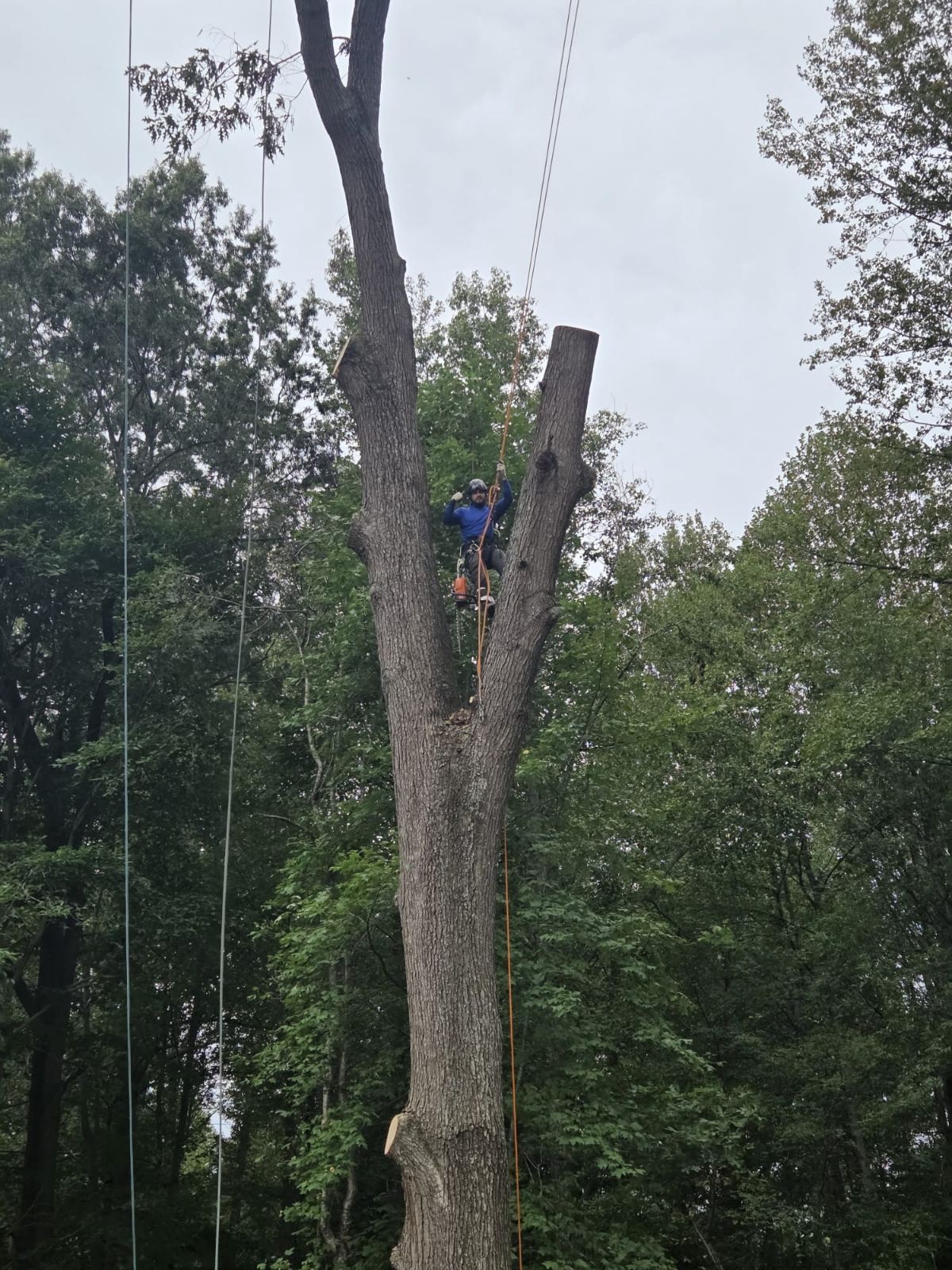
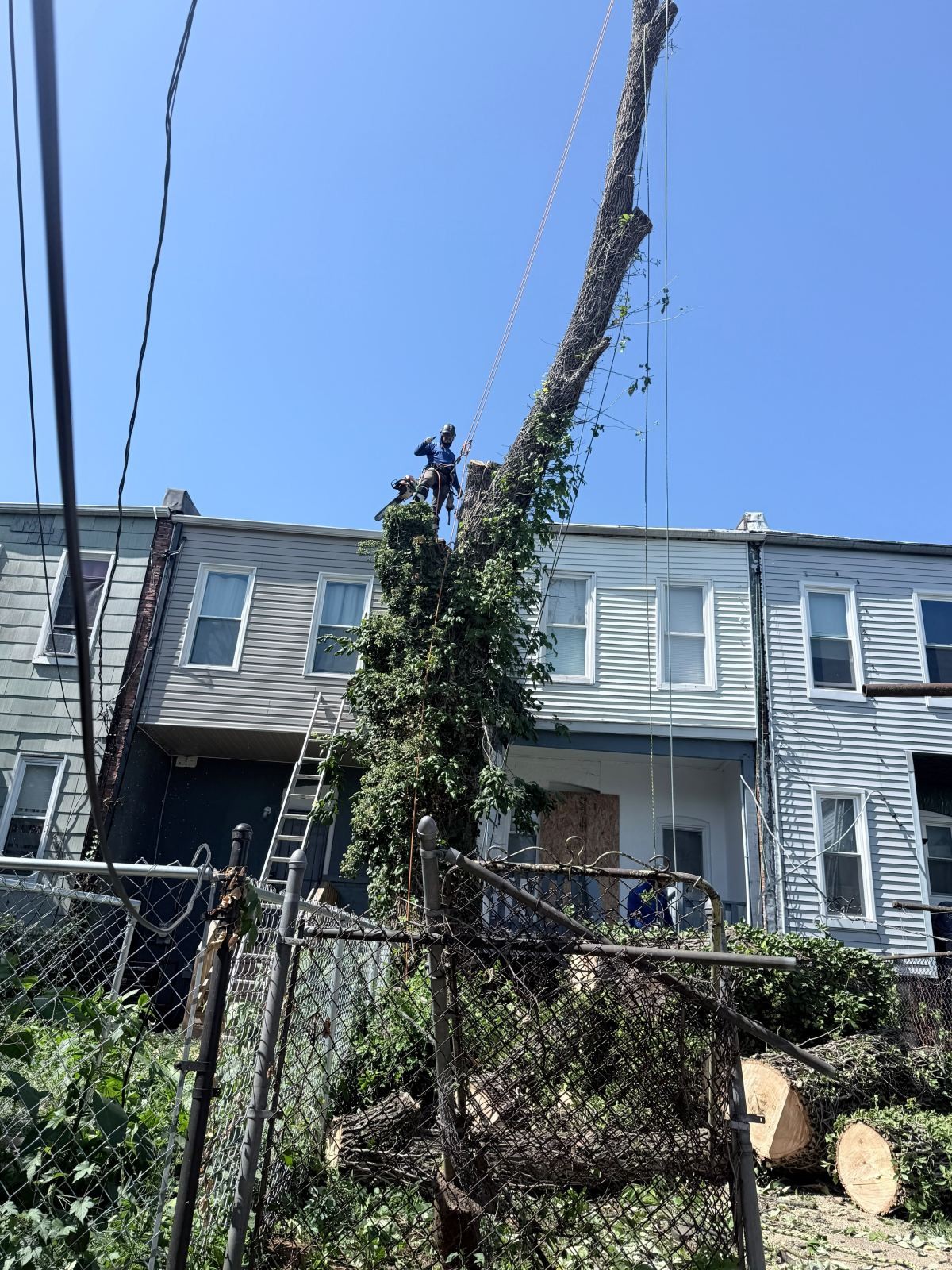
Attach a small set of clear photos for each property, labeled with the address or site label and tree identifier. A wider view can show where the tree sits in relation to the property; closer views can show the feature or condition you are asking about. Include more than one angle when a single image leaves the location unclear. Do not present a photo as proof of a diagnosis or as a substitute for a site visit. If you cannot tell whether two images show the same tree, label that uncertainty rather than guessing.
Ask for the proposed work to be itemized by address and tree, with any optional work identified separately. You can also ask what the estimate includes for debris handling, stump work, and access-related assumptions, and whether the provider needs to inspect each property before finalizing the scope. A written breakdown makes it easier to spot omissions and compare like with like. For a general overview of the service, see the tree removal service information.
- Create one property record and tree list per address.
- Label photos to match the property and tree identifiers.
- Ask for a separate scope and clarification of assumptions for each site.
- Review the response and follow up on any detail that is unclear.
A useful multi-property request is organized by address first and tree second. Clear identifiers, observations, access notes, cleanup preferences, and labeled photos help keep the requested scope distinct; the provider still needs to assess the actual conditions.
Common questions
Can I request one estimate for several properties?
You can ask one provider to consider several properties in a single request, but present each address and its requested work separately. Ask whether the provider can evaluate all sites and provide a scope broken down by property. The provider may need additional details or separate site visits, depending on the locations and conditions. A combined request should not imply that the same work, access, or cleanup arrangements apply everywhere.
What if I do not know whether a tree needs removal?
Say that you want the tree assessed and describe what you have observed, such as its location or visible damage. Avoid stating a cause or diagnosis unless it has been established. Ask the provider to explain what work is being proposed and whether removal, trimming, or another service is being considered. The appropriate scope depends on the tree and site conditions, so a photo or brief description may not settle the question.