

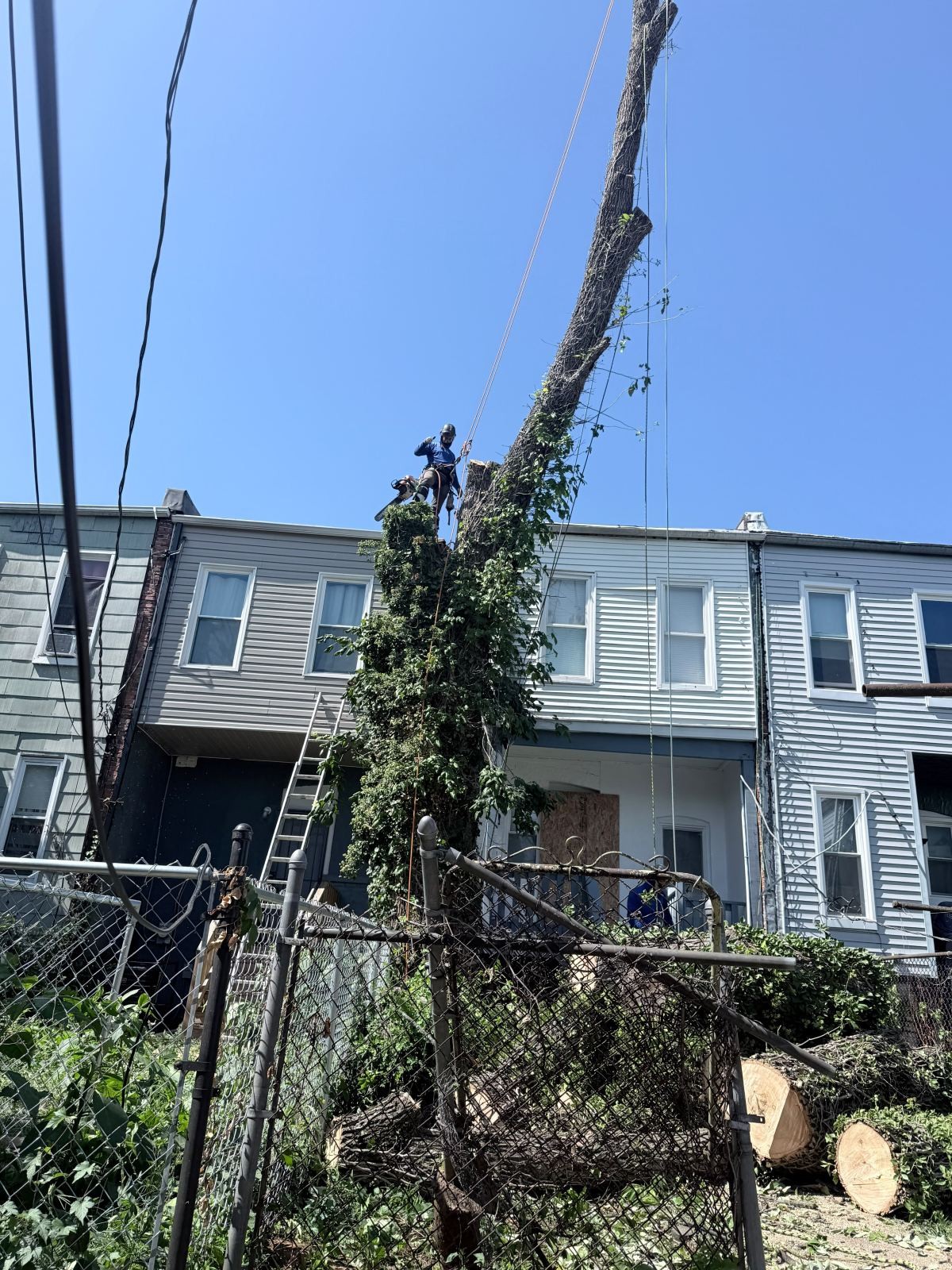
Start by comparing the work described in each estimate, not just the total at the bottom. Put the proposals side by side and identify the trees, included tasks, optional services and cleanup arrangements in each one. An unanswered item is a question to resolve, not a service you can assume is included. This approach helps you request comparable written proposals before deciding which one fits your property. It does not tell you which removal technique is appropriate; that assessment belongs to the professional who evaluates the site.
Create one comparison sheet for the same property
Give each estimate its own column. Down the left side, list the trees to be removed, stump work, wood handling, brush removal, access arrangements and the condition expected when the crew leaves. Copy the actual wording into the relevant cells. If a proposal only says tree removal, leave the more detailed cells marked not specified until the provider clarifies them.
Keep the property description consistent when requesting revisions. For example, identify the tree beside the rear fence separately from a tree near the driveway. Use the same photographs or labels with every provider so that you are comparing proposals for the same work. Avoid treating a photograph as a substitute for the site assessment a contractor may need.
Separate included work from options and exclusions
A proposal can describe several related tasks without including all of them in its total. Look for language indicating that stump grinding, wood removal or additional pruning is optional, excluded or priced separately. Put those items in their own rows instead of silently adding them to the main scope. If you want an option included, ask for a revised written total that identifies it.
The same distinction matters for the finished area. Removing a tree, grinding a stump, taking away the resulting material and preparing the ground for another use are separate expectations to discuss. Do not assume that one phrase covers every step. Ask the provider to describe what will remain on site and which follow-up tasks, if any, would be your responsibility.
Record site assumptions without choosing the equipment
An estimate may rely on access through a gate, use of a driveway or a clear route to the work area. Record those assumptions and compare them with the conditions you described. Tell the provider about obstacles or access restrictions that may not be apparent in photographs. Ask whether the written proposal needs updating after the site visit.
You do not need to decide how a crew should cut, climb or lift a tree. Instead, ask the contractor to explain the proposed access arrangements, property protection and any preparation they expect from you. Keep equipment choices and hazardous work with qualified professionals. If the access plan changes, request clarification of how that affects the scope and scheduling before work begins.
Use an example to expose an uneven comparison
Consider two hypothetical proposals for the same tree. Proposal A includes removal and hauling away the brush but says nothing about the stump. Proposal B includes removal and stump grinding, while leaving the grinding material on site. Comparing their totals alone would mix different services and different cleanup outcomes. Neither description establishes what the other provider would charge for matching work.
To make the comparison useful, ask both providers to describe the version you actually want: removal, the same stump treatment and the same material-handling arrangement. Record each revised scope and total together. This example is only a way to organize questions; it is not a price estimate, a description of an Allison project or a recommendation of one proposal over another.
Clarify changes and responsibilities before accepting
Make a separate list of questions that still need an answer. These might include who checks any applicable approvals, what happens if access differs from the original description, or whether requested additional work needs a separate estimate. Ask how the provider will explain and document a change before proceeding. Keep the written answer with the proposal it refers to.
If an important point was discussed by phone, request a written clarification rather than relying on your memory of the conversation. Confirm the proposed schedule, payment arrangements and contact person directly with the provider. A comparison sheet helps organize these details, but it does not verify insurance, credentials or permissions on its own; any relevant documentation still needs to be checked.
Turn the comparison into a focused next step
Before choosing, review the cells marked not specified. Decide which differences matter to the result you want and send one concise list of clarification questions. You may discover that a service is unnecessary for your plans, or that a useful option should be included. The goal is a clear scope that matches your needs, not the longest possible list of tasks.
When contacting Allison Tree Services about professional tree removal, describe the trees involved, the property access and the outcome you want after the work. Ask for clarification of any scope or cleanup item you do not understand. Keep the final written proposal and any agreed changes together so you have one practical reference for the planned work.
Common questions
Does a lower estimate always mean some work is missing?
No. Different totals do not prove that a proposal is incomplete. Compare the actual written scope and ask about unclear items before drawing conclusions. Providers may assess and organize the work differently, so let each one explain the proposal instead of guessing from the total alone.
What should I do if the proposals still cannot be compared?
Send the same short description of your required outcome to each provider and request a clarification or revision. Keep optional work separate and mark unanswered items clearly. If the proposals still describe different services, recognize that difference when deciding rather than treating the totals as equivalent offers.