
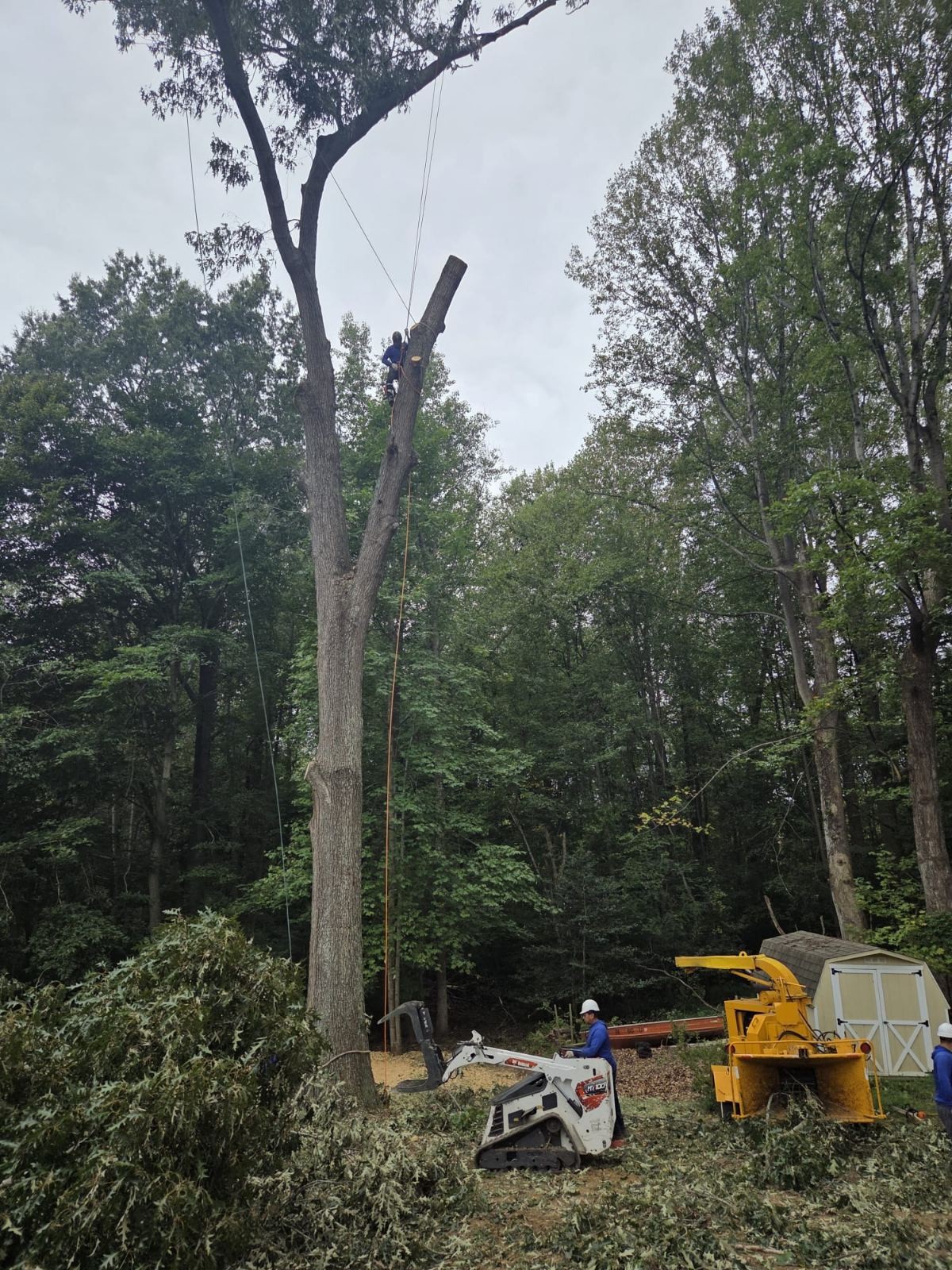
Assessing site access and equipment needs before professional tree removal is a critical step to ensure the process is safe, efficient, and minimally disruptive to your property. Understanding the physical constraints of your property helps the tree removal company plan the right approach and select appropriate machinery. Measurements such as gate width, overhead clearance, and available turning space influence the equipment that can be used and the methods employed. Additionally, sharing detailed photos and information about underground utilities, landscaping, and ground conditions allows the contractor to anticipate challenges and avoid damage. By preparing this information in advance, you facilitate a smoother estimate process and help the service provider develop a tailored plan that fits your property’s unique conditions. This preparation also supports clear communication about scheduling, access routes, and cleanup responsibilities, which vary depending on site specifics and weather conditions. Overall, a thorough site access assessment helps prevent surprises, reduces risk, and contributes to a more successful tree removal project.
Key Measurements to Evaluate Site Access
Before scheduling a professional tree removal, taking precise measurements of your property’s access points is essential. Start by measuring the narrowest gate or opening through which equipment must pass. Include hardware or any obstructions to get an accurate clear width. This dimension determines which machines can physically enter your property.
Next, identify the tightest pinch point along the access route, such as narrow spaces between trees, fences, or landscaping features. This measurement helps assess maneuverability for trucks and loaders. Overhead clearance is another critical factor; measure the lowest wires, branches, or eaves that equipment must pass under, as many machines have significant height requirements.
Also measure the available space for turning and staging equipment near the work area. Equipment needs room not just to drive but to safely turn, park, and operate. Finally, note the carry distance from the closest point accessible by truck to the tree location. Longer carry distances may require different equipment or additional labor, affecting the project scope and cost.
Photographing and Documenting Site Conditions
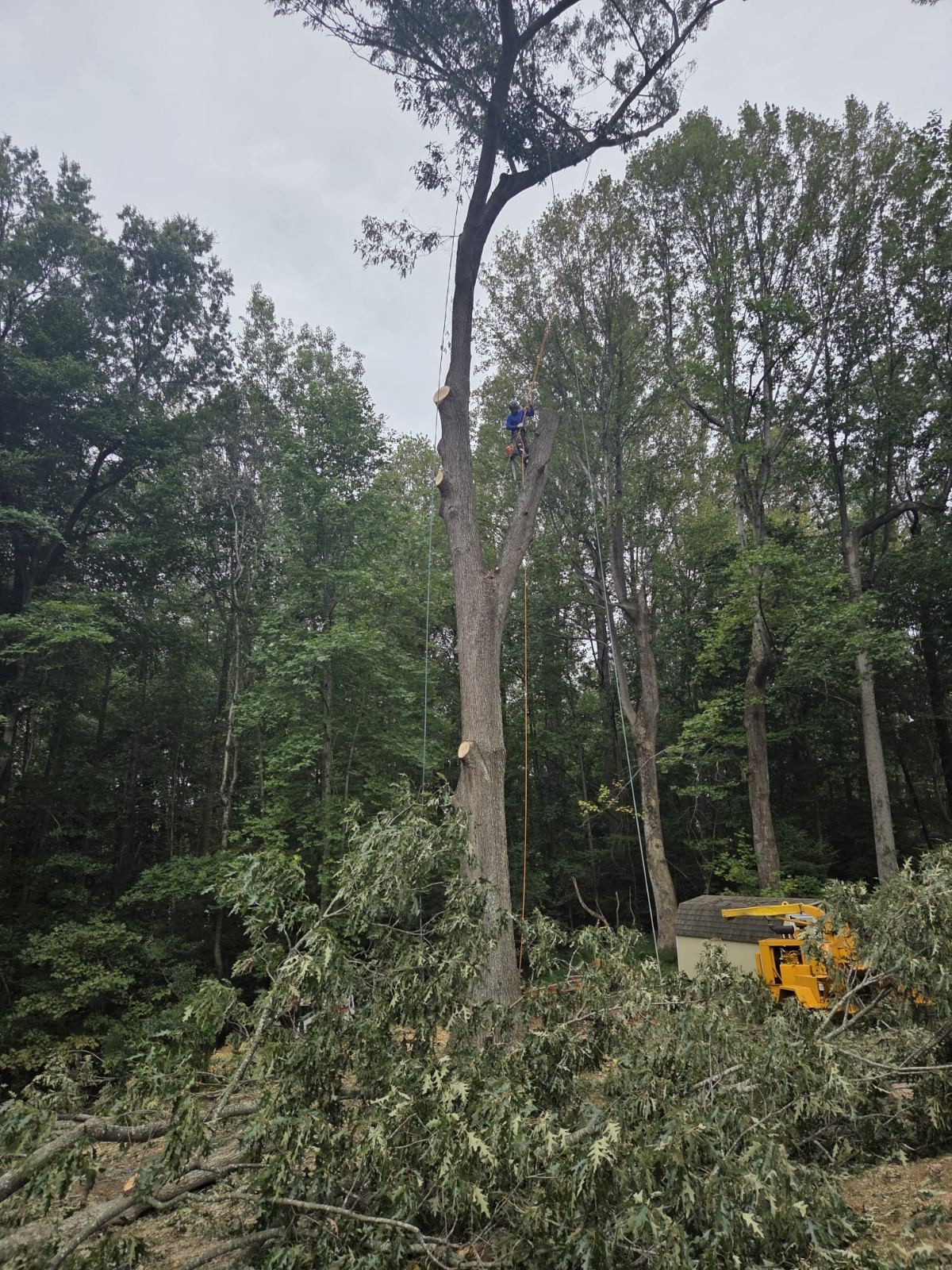
Photographs complement measurements by providing visual context that numbers alone cannot capture. Take clear photos of the approach from the road, every gate or narrow passage, and the work area itself. Include close-ups of any heavy vegetation, debris, or obstacles that could affect equipment movement.
Document overhead wires or branches along the route, as these may require special handling or coordination with utility companies. Also photograph any landscaping, retaining walls, or paving that you want protected during the removal process. Visual records of the existing condition help contractors plan carefully and can be useful for post-work comparisons.
Be sure to disclose any underground utilities, septic tanks, drainfields, or other buried features you know about. Driving heavy equipment over these areas can cause damage and may be restricted by local regulations. Providing this information upfront allows the tree removal team to plan access routes that avoid sensitive areas and comply with safety standards.
How Site Access Influences Equipment Selection
The measurements and site conditions you document directly influence which equipment the tree removal company can safely use. For example, narrow gates or tight pinch points may limit access to smaller, more maneuverable machines rather than large trucks or cranes. Overhead clearance restrictions can prevent the use of tall equipment or require alternative removal methods.
Ground firmness and slope also affect equipment choice. Wet or soft soil may not support heavy machinery without causing damage to lawns or root systems. In such cases, contractors might use mats, smaller equipment, or schedule work during drier conditions to minimize impact.
If your property has limited access or nearby structures, a crane may be proposed to safely remove the tree in sections. However, crane setup requires suitable ground conditions, space for outriggers, and coordination with local authorities if public sidewalks or roads are involved. The tree removal company should explain why a particular method fits your site and what preparations are necessary.
Preparing for a Smooth Tree Removal Project
Sharing your site measurements, photos, and information about utilities and landscaping with your tree removal provider before the estimate helps them develop a detailed plan tailored to your property. This preparation clarifies access routes, equipment needs, and potential challenges, reducing the risk of delays or unexpected costs.
Discuss with your contractor how they will protect your lawn, driveway, and landscaping during equipment movement and debris removal. Confirm who is responsible for restoration tasks and how weather conditions might affect scheduling or equipment use.
Establish clear communication about decision-making in case of unforeseen obstacles or weather changes. A pause-and-reassess approach can be more practical than unqualified promises about no property damage. Finally, document the original condition of your property before work begins to help manage expectations and address any concerns after the project is complete.
Common questions
What measurements should I take to help the tree removal company?
Measure the narrowest gate or opening, the tightest pinch point along the access route, overhead clearance under wires or branches, available space for turning and staging equipment, and the distance from truck-accessible ground to the work area. These measurements help determine which equipment can be used and how the job will be planned.
Why is it important to provide photos and information about underground utilities?
Photos provide visual context that measurements alone cannot capture, showing obstacles and conditions along the route. Informing the contractor about underground utilities and septic systems helps avoid damage and ensures compliance with local regulations. This information supports safe equipment routing and protects your property.