
When planning to remove a tree, providing clear, detailed photos and asking the right questions can make a significant difference in obtaining an accurate and comparable estimate from professional tree removal services. Photographs give the contractor a visual understanding of the tree’s size, condition, location, and surrounding obstacles, while thoughtful questions clarify the scope, costs, and logistics involved. Preparing this information ahead of time not only helps contractors offer precise quotes but also speeds up the consultation process and reduces surprises on the job day. To prepare effectively, homeowners should photograph the tree from multiple angles, capture the access routes, and note any nearby structures or utilities. Measuring key site dimensions and stating your objectives clearly will also support better communication. Additionally, asking questions about insurance, scope of work, cleanup, permits, and property protection ensures you understand what the service includes and how it will be carried out. This preparation empowers you to compare offers fairly and make informed decisions about your tree removal project.
Essential Photos to Take Before Requesting an Estimate
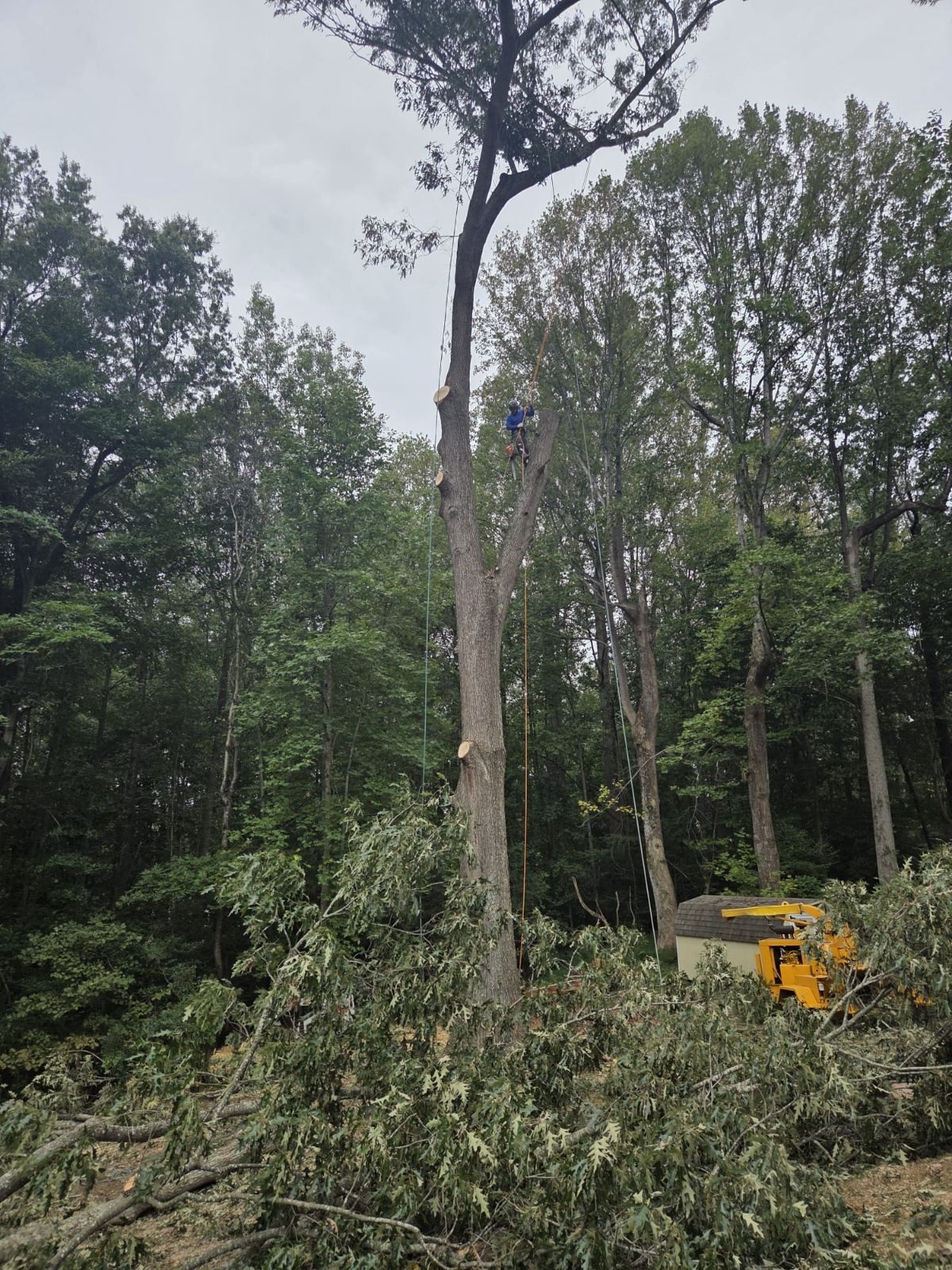
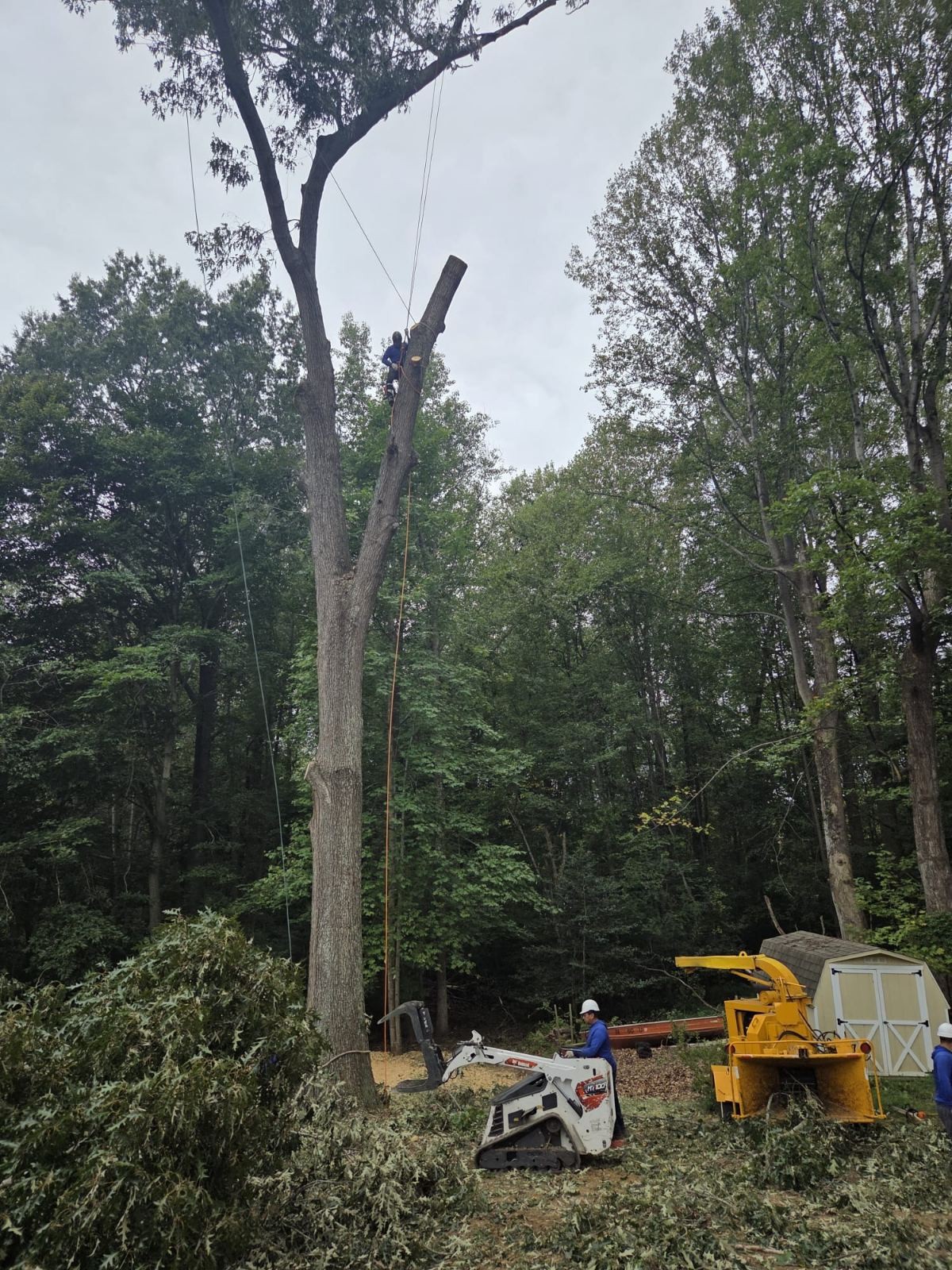
Photographs are the foundation of a clear and effective tree removal estimate. Start by capturing wide shots of the entire tree from a safe distance, making sure to include the base, trunk, and canopy. Take photos from multiple directions to show the tree’s full shape and its relation to nearby structures or other plants. Avoid entering the fall zone or climbing the tree to stay safe.
Next, photograph the access routes that the removal crew would use. This includes driveways, gates, side yards, or any narrow passages leading to the tree. Show any obstacles such as fences, pools, retaining walls, or overhead wires along these paths. Label each photo with a simple description like “front yard access” or “side gate clearance” to help the contractor understand the context.
Close-up photos of any visible damage, disease symptoms, or structural concerns on the tree can also be helpful. However, avoid diagnosing the problem yourself; instead, describe what you see plainly. For example, note bark discoloration, dead branches, or leaning sections without assuming the cause.
Consistent photo sets for each area of your property, including the tree and access points, allow contractors to compare conditions accurately. This approach leads to more precise and comparable quotes.
Key Measurements and Site Details to Document
Alongside photographs, taking a few simple measurements can improve the quality of your estimate. Measure the approximate area occupied by the tree’s canopy and the base area it covers. This helps contractors understand the tree’s size and the work scope.
Measure the narrowest points along the access route, such as gate widths or driveway clearances, to ensure equipment can reach the tree. Also, note the lowest overhead clearance along this path, including branches or wires that might obstruct machinery.
If possible, measure the diameter of the tree trunk at chest height to give an idea of its thickness. Use a tape measure or a piece of string to wrap around the trunk and then measure the string length.
Document any structures, irrigation systems, septic fields, or landscaping features near the tree or access route. Mention any fragile areas that require protection during removal.
Write down any unknowns or areas you could not safely assess. Being upfront about these helps contractors plan for potential challenges and clarifies what the estimate covers.
Important Questions to Ask Your Tree Removal Provider
Before hiring a tree removal service, asking the right questions ensures you understand the full scope and costs involved. Start by requesting proof of insurance, including general liability and workers’ compensation, to protect yourself from liability in case of accidents or damage.
Clarify who will perform the work — whether the estimator will also be on-site during removal and if certified arborists are involved. Ask exactly what the quoted price includes, such as tree felling, branch chipping, haul-away, stump grinding, and cleanup.
Inquire about permits: whether they are required for your property and who is responsible for obtaining them. This can vary by location and tree type.
Ask how the crew plans to protect your lawn, driveway, and other landscaping during equipment access and tree removal. Ground mats or plywood protection are common methods.
Discuss how the company will manage branches or tree sections near power lines or buildings to minimize risk. Also, ask if the price is fixed or subject to change if unforeseen issues arise on the day of service.
Finally, request references or examples of similar jobs they have completed recently. This helps verify their reliability and quality of work.
Next Steps After Preparing Photos and Questions
Once you have gathered your photos, measurements, and questions, compile them into a clear, organized message to send to potential tree removal companies. Include a brief statement of your project goals, such as whether you want the stump removed or if you plan to replant the area.
Send the same documentation package to all bidders to ensure their quotes are based on identical information, making them easier to compare.
Expect that most professionals will still want to visit the site in person before finalizing their estimate. Your preparation will shorten this visit and help the contractor focus on any uncertainties.
After receiving estimates, review them carefully for scope, price, and terms. Use your prepared questions to clarify any unclear points.
Finally, choose the provider who offers the best combination of experience, communication, and value for your needs. Good preparation helps avoid surprises and supports a smooth tree removal process.
Common questions
What photos should I take to help a tree removal estimate?
Take wide shots showing the entire tree from multiple angles, photos of all access routes including gates and driveways, and close-ups of any visible damage or disease. Label each photo clearly and stay outside the tree’s fall zone for safety.
What key questions should I ask a tree removal company before hiring?
Ask about their insurance coverage, who will perform the work, what the estimate includes (like stump grinding and cleanup), permit responsibilities, how they protect your property, and whether the price is fixed. Also, request references for similar projects.