
Identifying tree hazards early is crucial to maintaining a safe and healthy property. Hazardous trees can pose risks to people, structures, and other plants. Recognizing the signs of a hazardous tree helps you decide whether removal is necessary and how to prepare for it. This article explains common indicators of tree hazards, the importance of professional evaluation, and practical steps to address these risks safely before removal. Understanding these factors allows you to protect your property and make informed decisions about tree care.
Recognizing Signs of Hazardous Trees
Trees can become hazardous due to structural weaknesses, disease, or environmental damage. Common signs include large dead branches, significant leaning, cracks or splits in the trunk, and fungal growth near the base. These symptoms often indicate internal decay or compromised stability, increasing the risk of falling limbs or tree failure.
Other indicators include sprouts growing from the base or trunk, which can signal stress or damage to the tree. Root damage from nearby construction or soil compaction can also weaken a tree’s stability. Additionally, trees with narrow branch angles or co-dominant leaders may be prone to splitting. Observing these signs early helps prevent accidents and property damage.
Evaluating Tree Condition and Risks
Determining whether a tree needs removal requires assessing its overall health and the potential hazards it presents. A tree with more than 50% damage or decay usually warrants removal, especially if it threatens structures or power lines. Trees with hollow trunks or large wounds may still live for years but often have compromised strength.
Professional arborists can evaluate these conditions more thoroughly. They consider factors such as species, shape, lean, and surrounding environment. For example, ash trees affected by emerald ash borer become brittle and pose a high risk of limb breakage. Consulting a certified arborist ensures a reliable assessment and helps decide if removal, pruning, or treatment is appropriate.
Preparing Your Property for Safe Tree Removal
Before tree removal, it’s important to prepare the site to ensure safety and efficiency. Clear the area around the tree of vehicles, outdoor furniture, and other obstacles. Establish a safe retreat path for workers and keep pets and children away from the work zone.
Communicate with your tree removal service about access points and any underground utilities. The removal team will assess the site for hazards such as power lines or uneven terrain. Proper preparation minimizes risks during removal and helps protect your property and landscaping.
Working with Professional Tree Removal Services
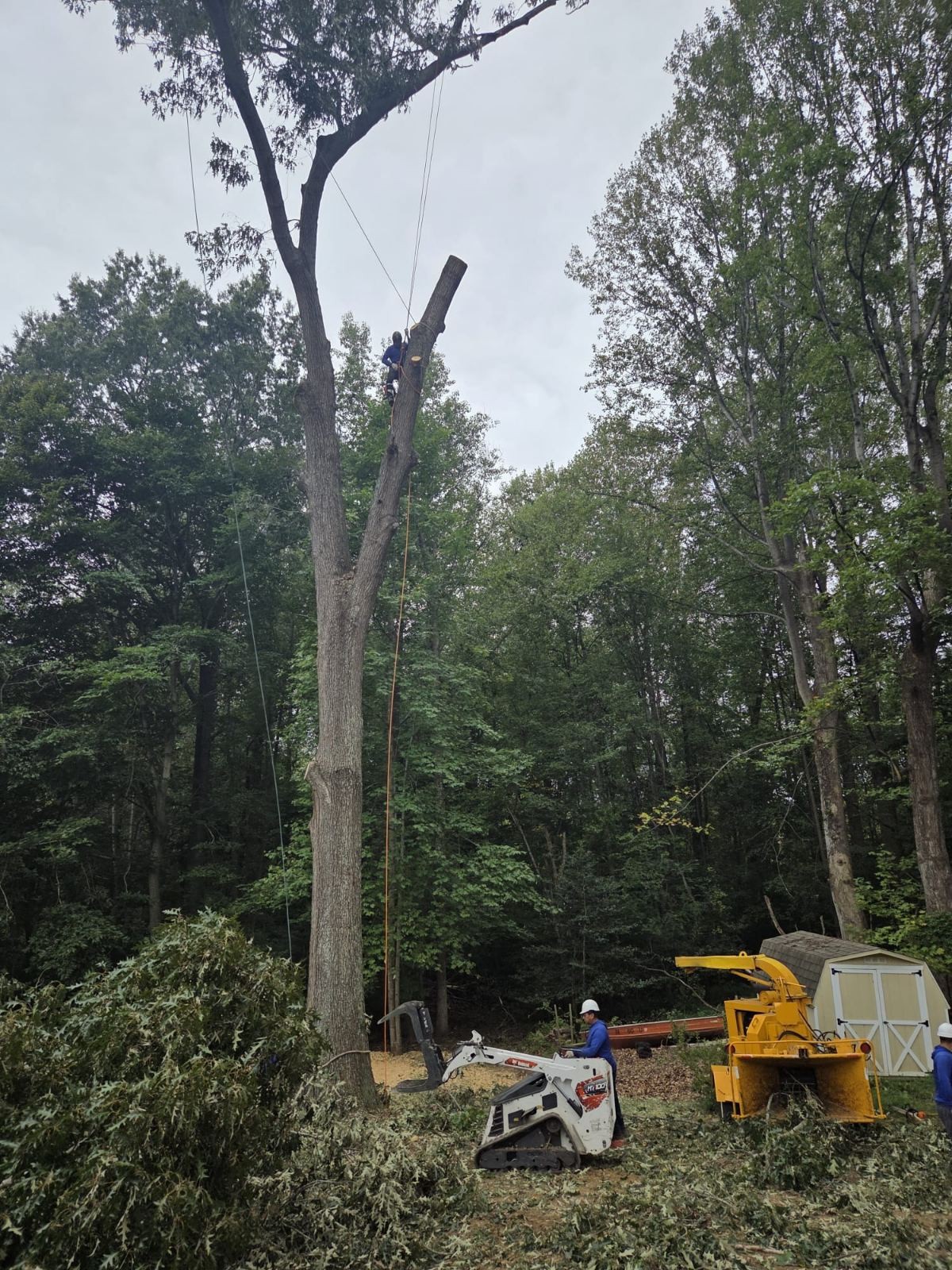
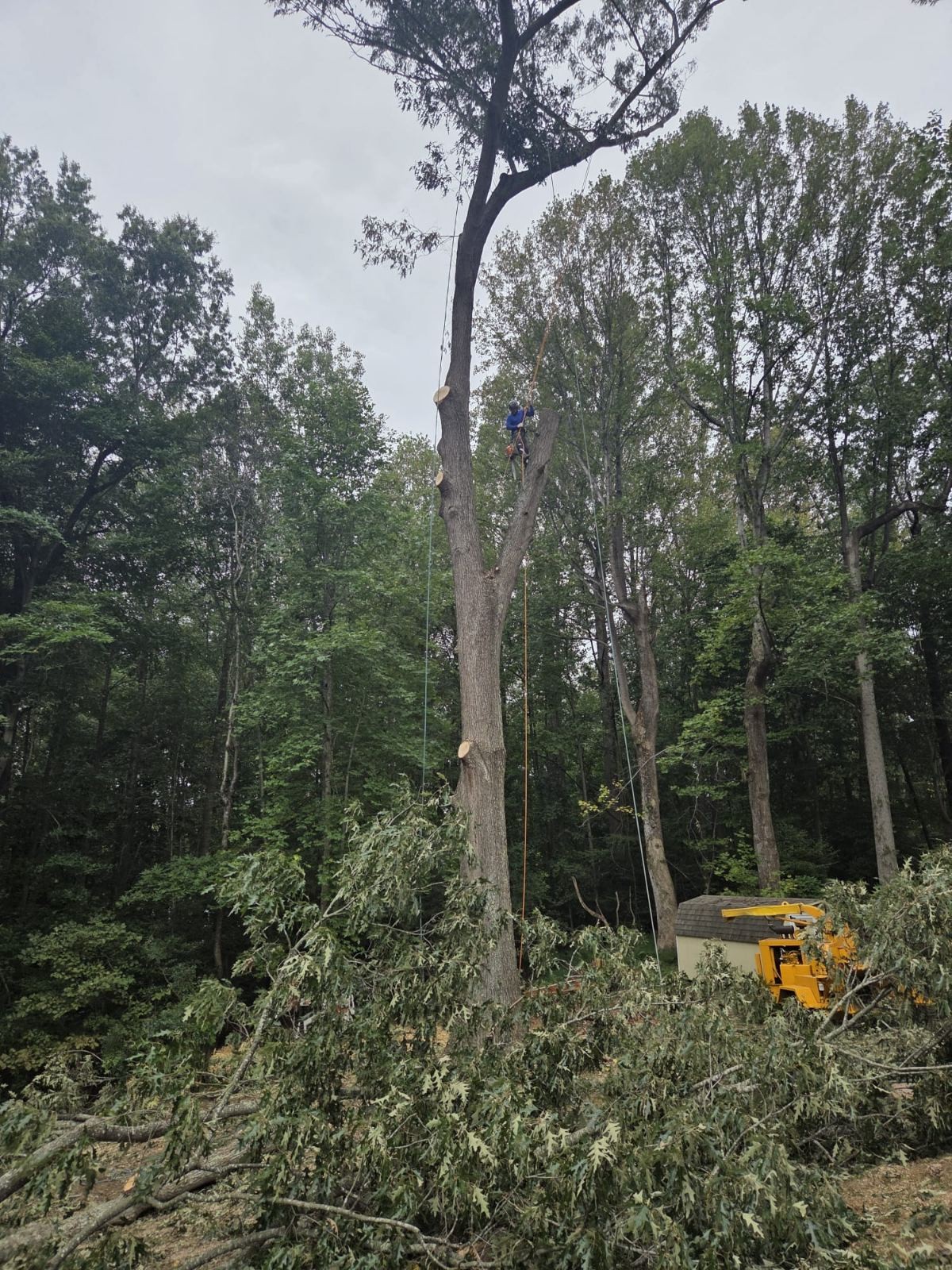
Professional tree removal companies have the training, experience, and equipment to handle hazardous trees safely. They follow industry best practices and local regulations to reduce risks. Their expertise includes determining the correct felling direction, managing tension in broken branches, and using proper cutting techniques.
Choosing a reputable service ensures the job is done efficiently and with care for your property. Many companies also provide cleanup and disposal of debris after removal. Discuss your concerns and property conditions with the provider to tailor the service to your needs.
Common questions
What are the key signs that a tree needs to be removed?
Key signs include large dead or broken branches, significant leaning, trunk cracks or splits, fungal growth near the base, and root damage. If a tree shows over 50% damage or internal decay, or if it threatens structures or power lines, removal should be considered. Consulting a certified arborist can provide a thorough evaluation.
How can I prepare my property before a tree removal service arrives?
Clear the area around the tree of obstacles such as vehicles and outdoor furniture. Establish a safe retreat path for workers and keep pets and children away from the site. Inform the removal company about site access and any underground utilities. Proper preparation helps ensure a safe and efficient removal process.