
Choosing between crane-assisted and traditional tree removal methods depends on several factors including tree size, location, condition, and site access. Crane-assisted removal uses a mobile crane to lift sections of the tree as they are cut, allowing controlled removal without dropping heavy limbs. This method is ideal when trees are too large, damaged, or located near structures or sensitive landscaping where dropping pieces could cause damage. Traditional removal relies on climbers, rigging, and lowering limbs with ropes or mechanical advantage systems. It is generally less expensive per hour but slower and riskier for large or compromised trees. When deciding, consider tree health, height, available drop zones, and crane access. Crane removal typically costs more due to equipment and operator fees but can reduce overall time and minimize property risk. Traditional methods are suitable for smaller, healthy trees with ample space. Consulting a professional arborist or tree removal service can help assess your specific situation and recommend the safest, most efficient approach. After reading this guide, you can better prepare questions for your tree removal estimate and understand the logistics involved in each method.
Understanding Crane-Assisted Tree Removal
Crane-assisted tree removal involves using a mobile crane to lift and carry sections of a tree as they are cut down. Instead of felling the entire tree at once, the tree is dismantled piece by piece from the top down. A climber or lift operator attaches rigging slings to each section, which the crane then supports before the cut is made. This prevents heavy limbs from dropping and potentially damaging nearby structures or landscaping.
This method is especially useful for trees that are very tall, dead or decayed, or located in tight spaces where there is no safe direction to drop large sections. The crane operator carefully maneuvers each cut piece to a designated landing zone where the ground crew processes the wood. Because the crane carries the weight throughout, the risk of property damage and injury is significantly reduced compared to traditional removal.
How Traditional Tree Removal Works
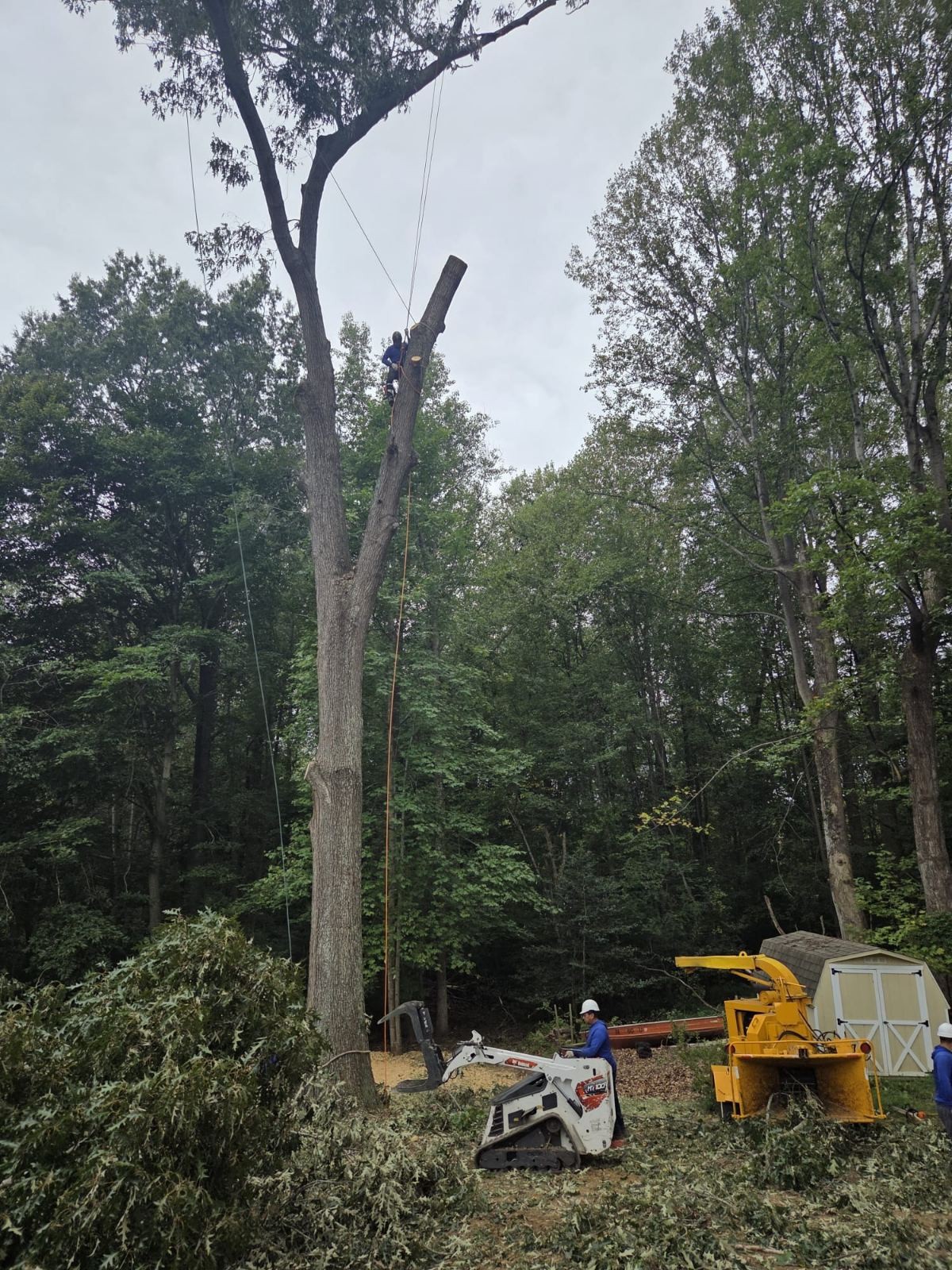
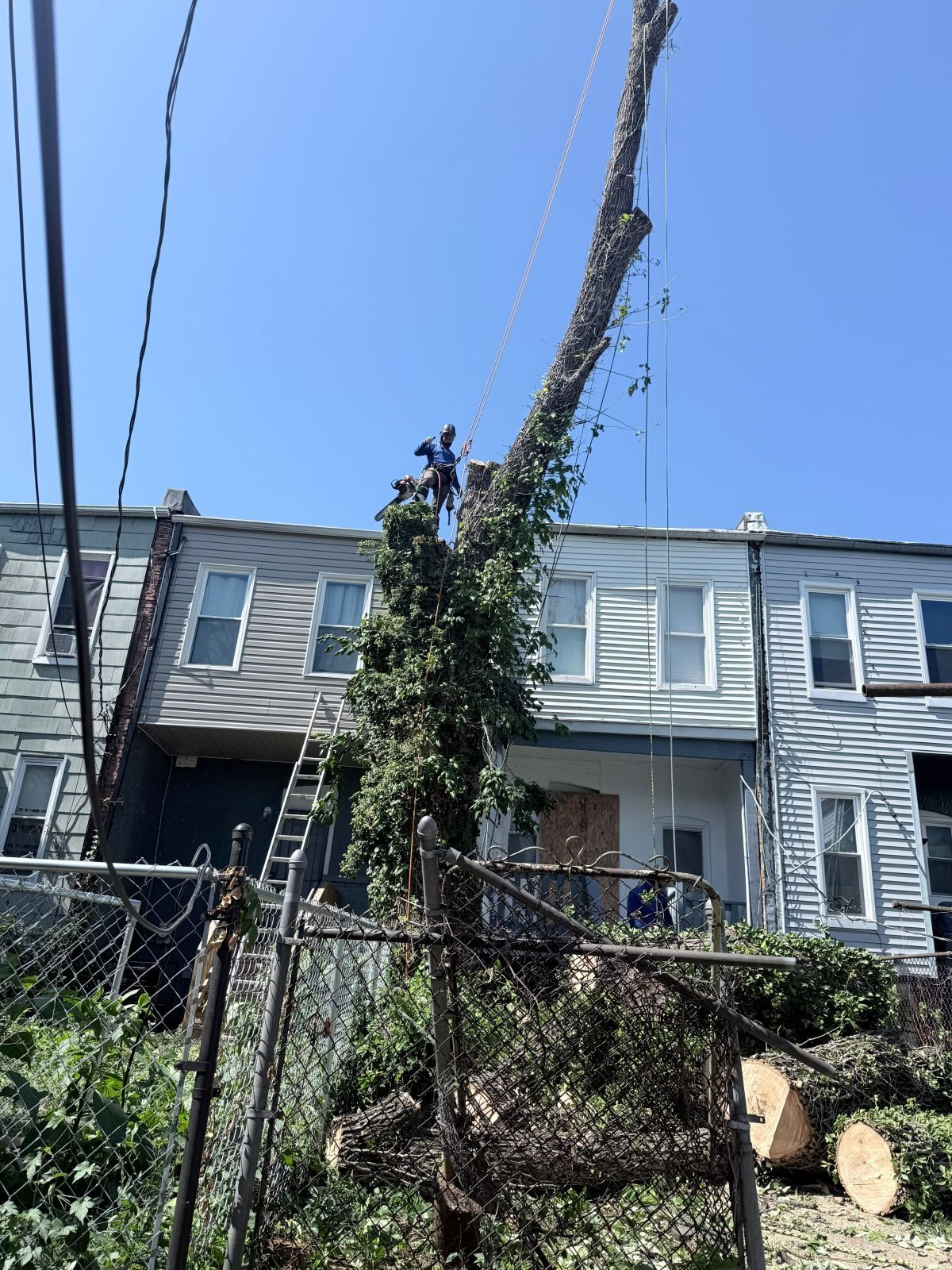
Traditional tree removal typically involves arborists climbing the tree and using rigging systems to lower limbs and trunk sections safely to the ground. The crew cuts manageable pieces and uses ropes, blocks, and friction devices to control the descent. This method requires clear space for the pieces to be lowered and relies on the strength and stability of the tree for rigging points.
While traditional removal is often less costly per hour because it does not require crane rental, it can take longer, especially for large or hazardous trees. The process also carries higher risks when trees are dead, unstable, or located near structures, as limbs may swing or drop unexpectedly. However, it is effective for smaller trees or those in open areas with ample drop zones.
When Is Crane Removal the Better Choice?
A crane is usually the preferred option when at least two of these conditions apply: the tree is over 60 feet tall or towers above a structure; the tree is dead, hollow, or storm-damaged making climbing unsafe; there is no clear ground area to safely drop limbs; or the tree is close to houses, pools, power lines, or delicate landscaping. Additionally, the crane must be able to access the site, typically from a street or driveway.
If the tree is in a fully fenced backyard with no crane access, traditional removal may be the only viable option despite other risk factors. The decision ultimately balances safety, cost, and logistical feasibility. For hazardous or large trees near structures, crane removal can prevent costly damage and expedite the process.
Comparing Costs, Safety, and Efficiency
Crane-assisted removal generally costs between $1,500 and $3,500 for residential jobs, with prices rising for very large or emergency removals. The crane rental and operator fees add to labor costs, but the faster completion time can offset some expenses. Traditional removal is less expensive per hour but may require one to two full days for large trees, increasing labor costs and potential disruption.
Safety is a key consideration. Crane removal reduces risk by supporting every cut piece, preventing sudden drops and minimizing stress on the tree and crew. Traditional methods are safer for smaller, healthy trees in open spaces but can be hazardous for unstable or large trees. Property risk is also lower with crane removal since pieces are lifted clear rather than dropped near structures or landscaping.
Common questions
How do I know if my tree removal requires a crane?
Assess your tree’s height, condition, and location. If it is very tall (over 60 feet), dead or damaged, leaning toward structures, or situated where there is no safe drop zone, a crane may be necessary. Also consider whether a crane can physically access your property. Consulting a professional arborist or tree removal service can provide a clear evaluation.
What should I expect during a crane-assisted tree removal?
The process begins with a site assessment and planning for crane placement and lift sequence. The crane operator and crew work together to rig sections of the tree, cut them, and lift each piece safely to a landing area. The tree is dismantled from the top down. Cleanup and debris processing follow. The entire operation typically completes within a day for most residential jobs.