
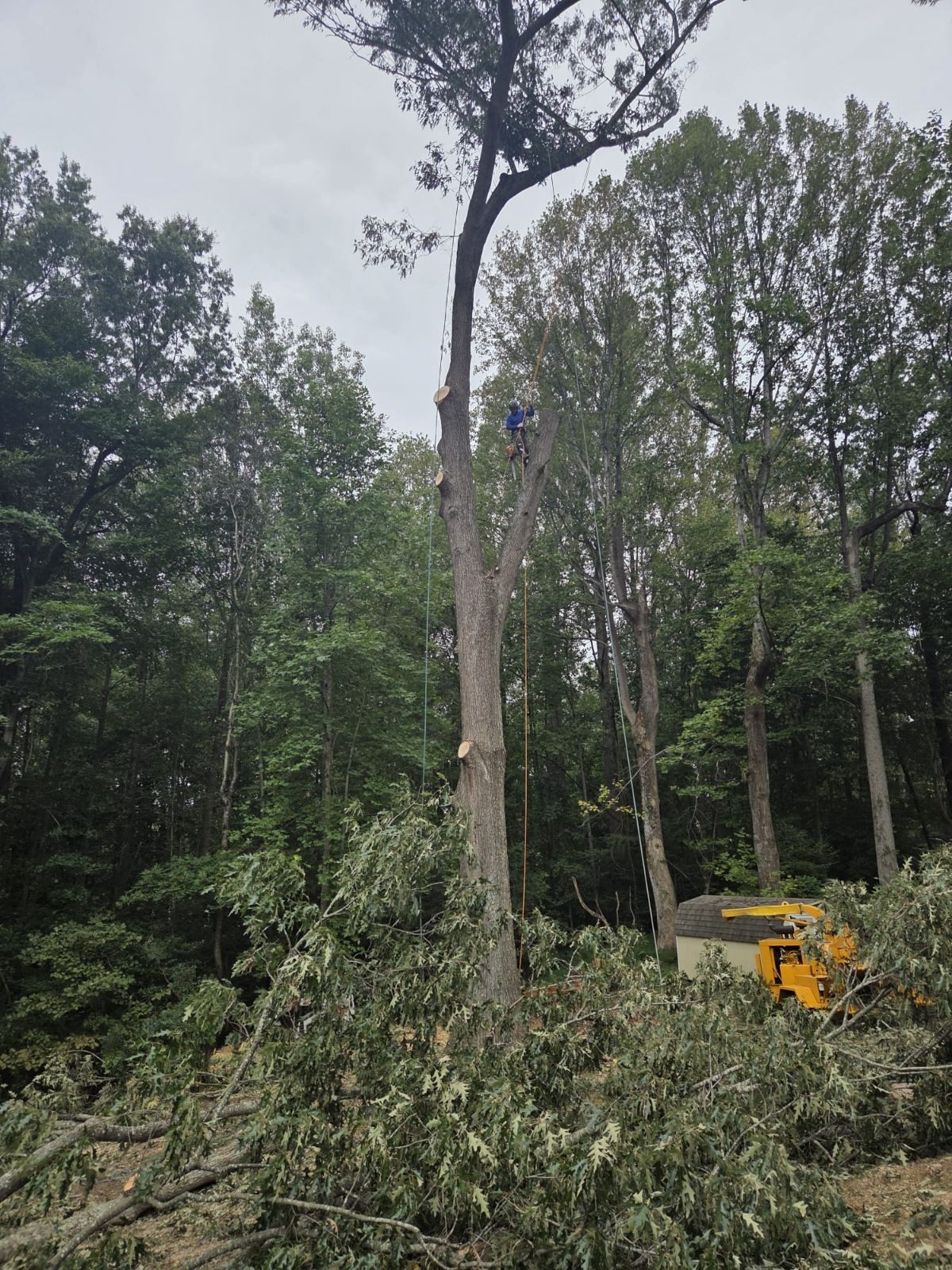
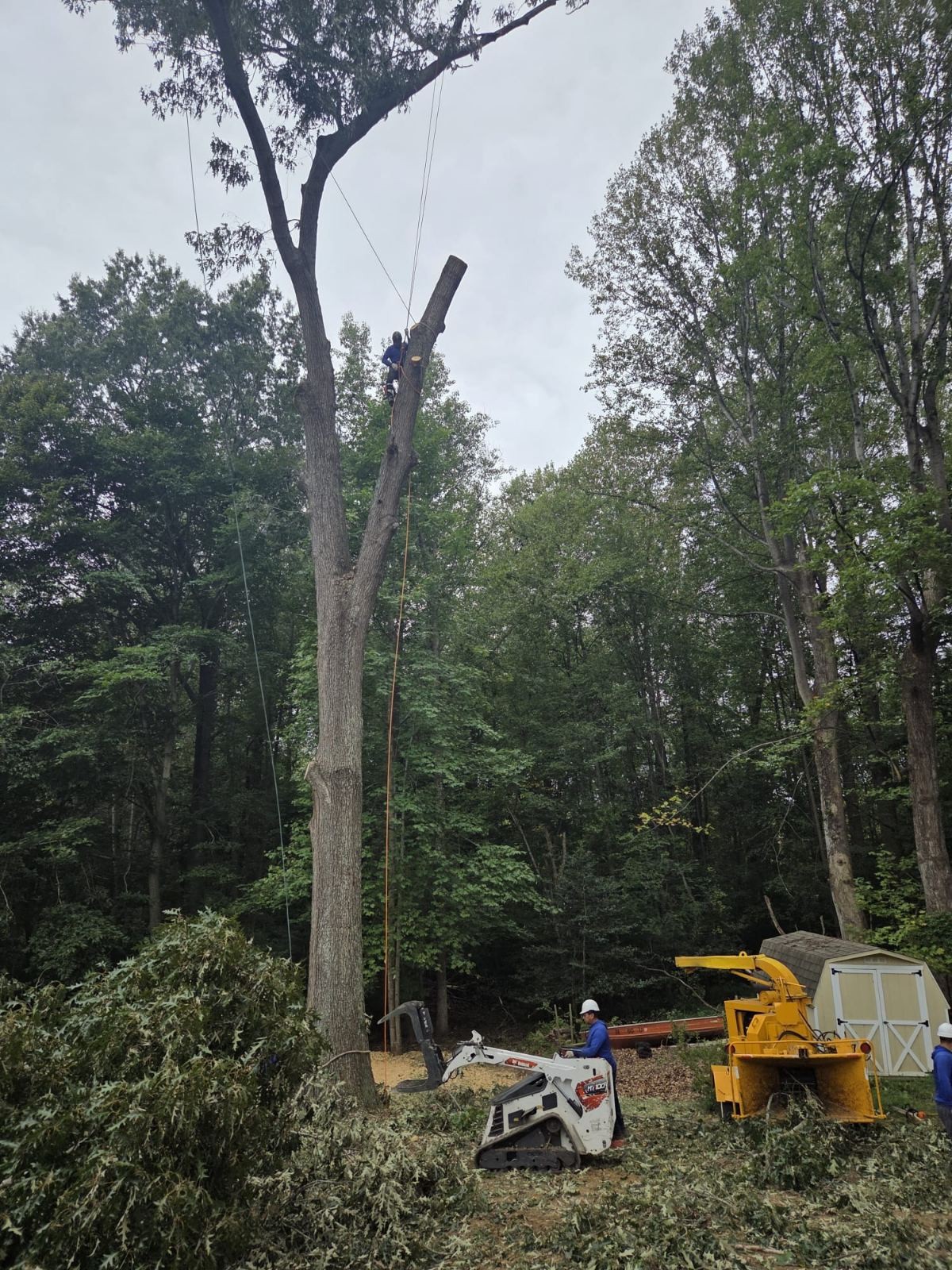
After professional tree removal, proper maintenance is key to restoring your landscape and preventing future problems. The process begins with a thorough inspection of the removal site to identify any remaining debris, exposed roots, or hazards. Deciding how to handle the stump is a critical next step, as leaving it untreated can lead to insect infestations, trip hazards, and interference with landscaping plans. Stump grinding is a common and efficient method to remove the visible portion, preparing the area for replanting or lawn restoration. In some cases, full root removal may be necessary, especially if roots are causing surface issues or obstructing construction. Managing the wood chips left after grinding is also important to avoid soil settling problems or patchy grass growth. Additionally, soil repair and erosion control should be considered to maintain proper drainage and stability, particularly on slopes or near foundations. Consulting with landscaping or drainage professionals can help tailor restoration plans to your property’s specific needs. By following these steps, you can ensure your yard remains safe, attractive, and ready for future projects after tree removal.
Inspecting the Site After Tree Removal
Once a tree has been professionally removed, it is important to carefully inspect the site. This inspection helps identify any remaining debris such as small branches, wood chips, or splinters that might pose hazards or interfere with landscaping. Look closely at the surrounding area including nearby fences, patios, foundations, and other structures for any damage that may have occurred during removal.
A thorough site inspection also includes checking for exposed roots or uneven ground that could be a trip hazard or complicate future lawn care. If the tree was removed due to disease or storm damage, leftover wood material may need prompt removal to prevent pest attraction or decay spread. Documenting the site with photographs can be useful for insurance purposes or planning next steps.
Choosing How to Manage the Stump
After tree removal, homeowners often face the decision of whether to keep or remove the stump. While some may assume a low-cut stump is harmless, in most yard settings it can cause problems. Stumps can attract wood-boring insects and fungi, become trip hazards, and interfere with mowing or landscaping activities.
Stump grinding is a widely recommended approach. It removes the visible stump below ground level, turning it into mulch that can be reused or removed. This prepares the area for new plantings or lawn restoration. In cases where roots are surfacing or obstructing construction, full root removal might be necessary. This method is more invasive but can significantly improve usability of the space.
Soil Repair and Wood Chip Management
Following stump grinding, a layer of wood chips and grindings often remains mixed with the soil. While natural mulch can benefit planting beds, too much woody material in lawn areas can cause uneven settling and patchy grass growth. It is generally advisable to remove or reduce the amount of grindings before adding topsoil to ensure a stable, healthy lawn surface.
Repairing soil compaction caused by heavy equipment during removal is also important. Aerating the soil and adding quality topsoil or compost can improve drainage and root growth for new plants. Proper soil preparation supports long-term landscape health and prevents issues such as water pooling or erosion.
Managing Erosion and Drainage Post-Removal
Tree removal can alter water flow and soil stability, especially on slopes or near foundations. Exposed soil and disturbed grades may lead to erosion or drainage problems if not addressed. It is important to compare the finished ground with the original restoration plan and monitor water movement during ordinary weather.
If water collects near your home or erosion is evident, consulting a drainage or geotechnical professional is recommended. They can assess the site and recommend appropriate solutions such as grading adjustments, retaining walls, or planting to stabilize soil. Avoid improvising fixes like unplanned trenches or redirecting water without expert advice, as these can cause further issues.
Common questions
How soon should stump grinding be scheduled after tree removal?
Scheduling stump grinding within the same week or shortly after tree removal is ideal. A fresh stump is easier to grind and prepares the area sooner for replanting or landscaping. Delaying grinding can cause the stump to harden, making removal more difficult and potentially increasing costs.
What should I do if I notice water pooling or erosion after tree removal?
If water collects near your home or erosion is visible, it is important to document the issue and consult a drainage or landscape professional. They can evaluate the grading, water sources, and soil stability to recommend appropriate restoration or drainage solutions tailored to your property.