
Choosing the right tree removal service depends on a clear understanding of your property’s specific needs and constraints. Factors such as tree health, location, access routes, and nearby structures influence the method and provider best suited for your situation. Before hiring, consider the scope of work, safety measures, cleanup responsibilities, and the provider’s approach to site-specific challenges. Gathering detailed information about your trees and property will help you communicate effectively with potential contractors and receive accurate quotes. Ultimately, selecting a service that offers a thorough site evaluation, clear communication, and tailored removal plans will support a safer and more efficient tree removal process.
Assessing Your Property and Tree Conditions
The first step in choosing a tree removal service is to evaluate the condition of the trees and your property. Trees that are visibly damaged, diseased, or dead often require removal to ensure safety and maintain the health of surrounding plants. Consider whether the tree poses a risk to nearby structures, power lines, or pedestrian areas. Additionally, note if the tree is overgrown or obstructing planned land development.
Understanding the tree’s health and structure is important. Signs such as large dead branches, trunk damage, leaning, or fungal growth can indicate instability. If the tree has significant internal decay or root damage, professional assessment is essential. Licensed arborists or tree experts can provide evaluations to determine if removal is necessary or if trimming and treatment might suffice.
Evaluating Site Access and Equipment Needs
Site access plays a crucial role in planning tree removal. Narrow gates, enclosed yards, uneven terrain, or proximity to buildings can limit the types of equipment and methods used. Inform the contractor about any access restrictions, landscaping features, or underground utilities that might affect equipment movement.
Different removal methods, such as crane-assisted versus traditional dismantling, have varying requirements for space and setup. A crane may be suitable for tight or complex sites but requires a stable, authorized setup area. Discuss with the provider how equipment and debris will enter and exit your property, and what precautions will be taken to protect lawns, driveways, and other landscaping.
Comparing Tree Removal Methods and Service Details
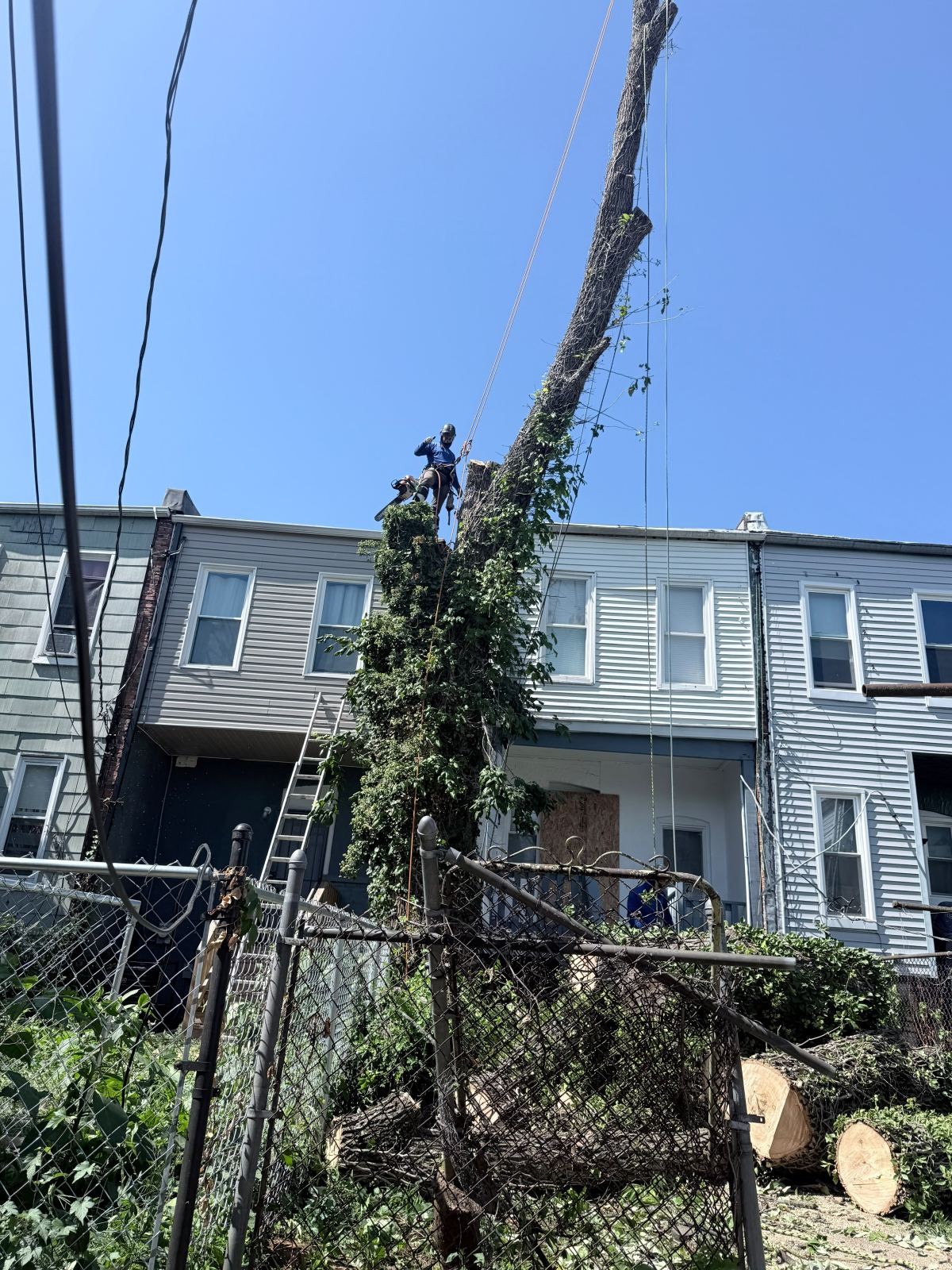
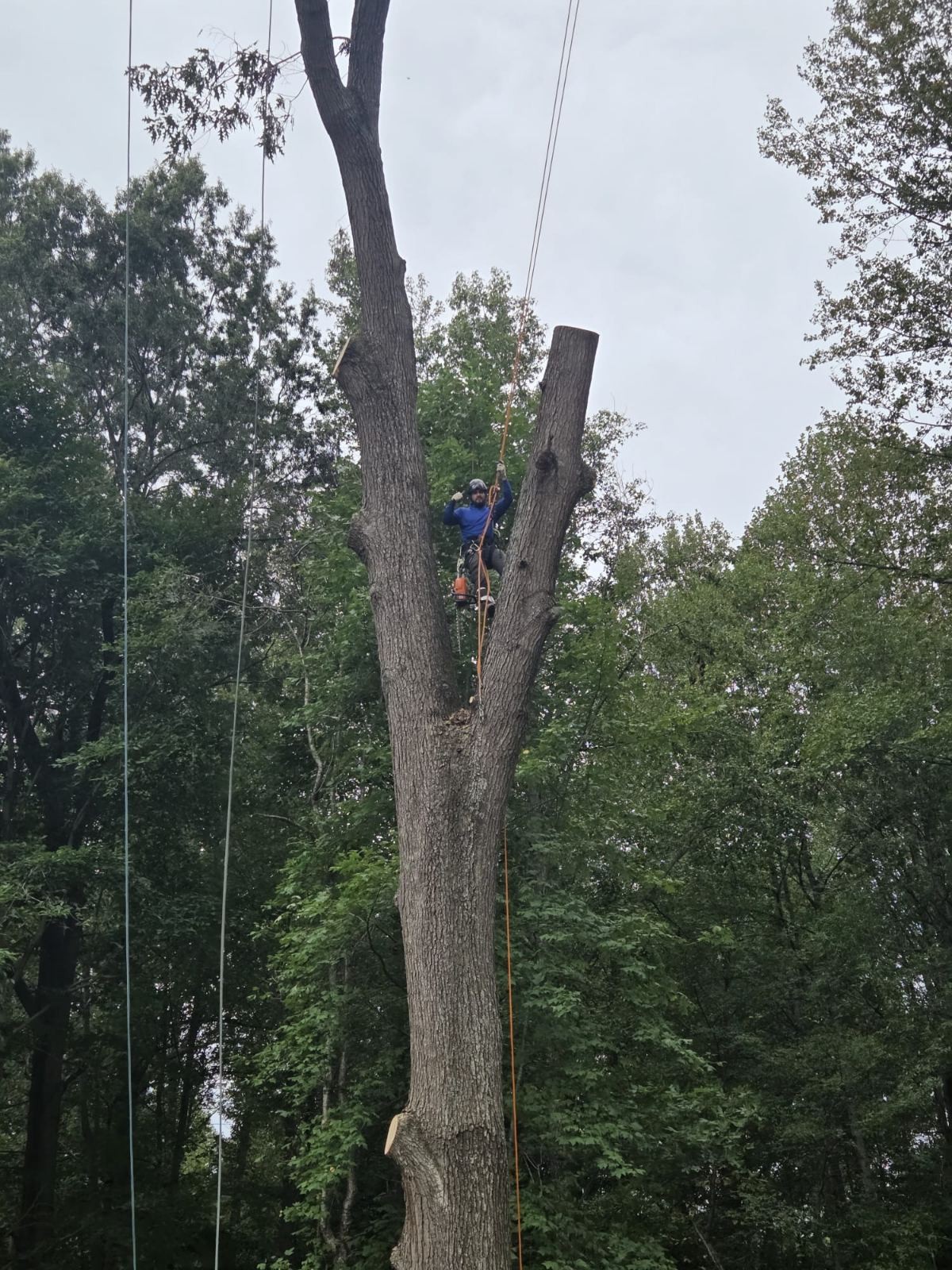
Tree removal can be performed using several techniques, each with advantages and limitations depending on the property and tree size. Traditional methods involve dismantling the tree in sections using climbing and rigging, which can be effective for most residential sites. Crane-assisted removal is often used for large trees or sites with limited access, allowing safer and more controlled lifting of heavy sections.
When comparing quotes, look beyond the price to understand the scope of work. Clarify who will perform the climbing and technical cuts, how branches and logs will be handled, and whether stump grinding or debris cleanup is included. Confirm how the provider plans to protect your property and what happens if unexpected site conditions arise during the work.
Preparing for Professional Tree Removal
Before the removal day, prepare your property to facilitate a smooth and safe process. Clear pathways and inform the contractor about any pets, children, or sensitive areas. Provide photographs of access points, gates, and the tree itself to help the provider finalize the plan.
Discuss approvals or permits that may be required, especially for trees near power lines or in regulated areas. Understand your responsibilities and what the contractor will handle. On the day of removal, maintain a safe distance from the work zone and follow any instructions given by the crew.
Common questions
What key factors should I consider when evaluating tree removal quotes?
Focus on the detailed scope of work rather than just the total price. Ensure the quote specifies the exact tree or trees to be removed, the removal method, who will perform climbing and cutting, stump treatment plans, and debris cleanup. Ask about site protection measures and how unexpected conditions will be managed. Verifying insurance and any claimed qualifications is also important.
How can I prepare my property to support efficient tree removal?
Clear access routes by removing vehicles or obstacles, and secure pets and children away from the work area. Provide the contractor with clear photos and information about gates, pathways, and any underground utilities. Confirm any required permits or approvals ahead of time. Being proactive helps avoid delays and reduces risks during the removal.