
Evaluating the site access and equipment needs for tree removal is essential to ensure the process is safe, efficient, and minimizes damage to your property. Before scheduling a tree removal, carefully observe and document how equipment can reach the tree and how debris will be handled. Consider the width and clearance of gates, driveways, and paths, noting any low-hanging branches or obstacles that could hinder machinery. Also, identify soft ground areas or landscaping features that require protection. Communicate these details to your tree removal contractor early to allow proper planning. The choice of equipment depends on the tree size, location, and site conditions. For example, a crane might be necessary for large trees in tight spaces, but its setup requires stable ground and sufficient space. Alternatively, smaller machinery or manual techniques may be used where access is limited. Understanding these factors helps you discuss options with your contractor and prepare your property accordingly. After removal, cleanup and site restoration are important to consider. Confirm with your provider how debris will be managed and what restoration services are included. Taking these steps will help you plan a tree removal that fits your property’s unique characteristics and constraints.
Assessing Site Access for Tree Removal
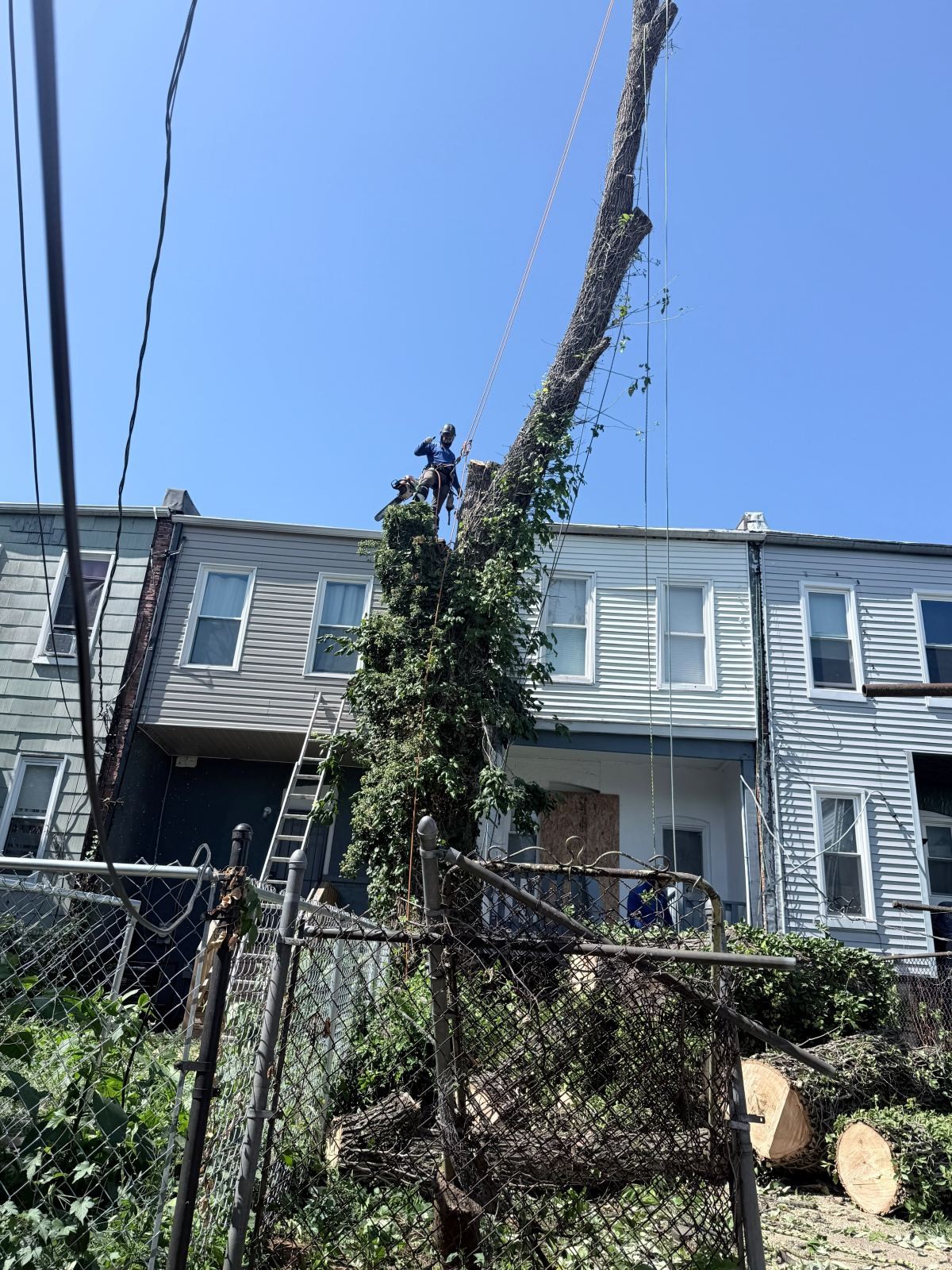
Site access is a key factor in planning tree removal. Begin by inspecting all possible routes that equipment might use to reach the tree. Check the width of gates, driveways, and any narrow passages to ensure machinery can pass through without damage. Note any overhead obstacles like low branches, power lines, or hanging wires that could interfere with equipment movement.
Soft or wet ground can limit access for heavy machinery and increase the risk of soil compaction or damage to landscaping. Identify any areas with poor drainage, septic systems, or buried utilities that should be avoided or protected. Providing clear photographs and descriptions of these features to your contractor will help them develop a safe and practical access plan.
Choosing the Right Equipment Based on Site Conditions
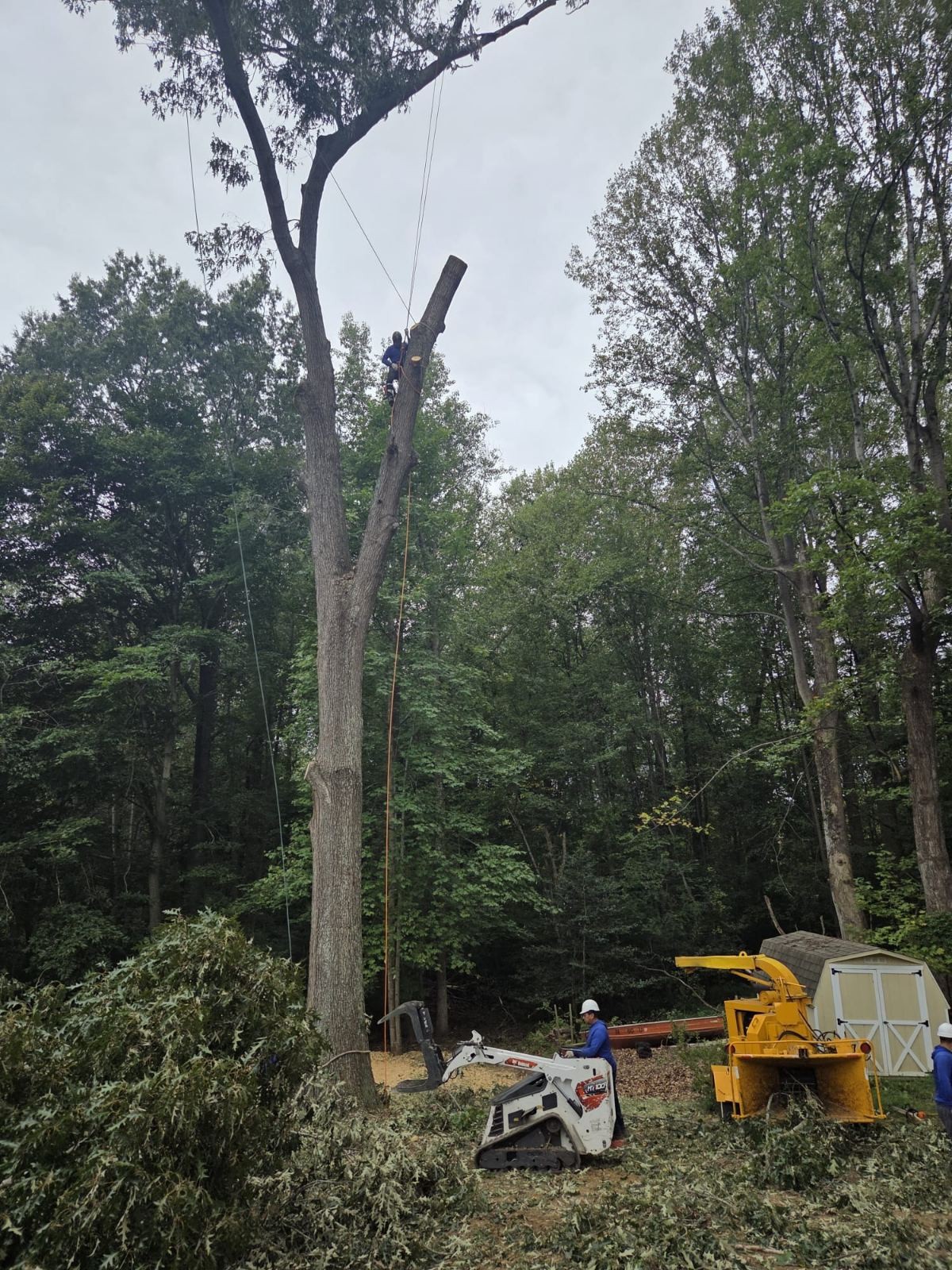
The equipment needed for tree removal depends largely on the tree’s size, location, and the site’s accessibility. Large trees in confined spaces may require specialized machinery such as cranes or aerial lifts. However, crane setup demands stable, level ground and enough space for outriggers and safe operation.
In cases where heavy equipment cannot be used due to limited access or sensitive landscaping, alternative methods like rope rigging or manual dismantling might be employed. Discuss with your contractor the pros and cons of each method for your specific property to understand the impact on your landscape and the overall removal process.
Preparing Your Property and Communicating Constraints
Before the tree removal crew arrives, prepare your property by clearing vehicles, trailers, or other items from access routes. Mark property boundaries and identify any trees or plants you wish to preserve. Inform your contractor about underground utilities, septic systems, and any landscaping features that need protection.
Providing detailed information about your property’s constraints allows the contractor to plan equipment routes, staging areas, and debris removal strategies effectively. Early communication reduces surprises on the day of work and helps ensure a smoother operation.
Planning Cleanup and Site Restoration
Tree removal generates debris such as branches, logs, and wood chips that must be managed properly. Clarify with your contractor how debris will be handled—whether it will be hauled off, chipped on site, or left as firewood. Also, discuss if stump grinding or site grading is part of the service or if you need to arrange those separately.
Restoring the site after removal may involve repairing lawn damage, regrading soil, or reseeding disturbed areas. Understanding these aspects ahead of time helps you plan for any additional work required to return your property to its desired condition.
Common questions
What details should I provide to my tree removal contractor about site access?
You should provide clear information about gate widths, driveway and path clearances, overhead obstacles like power lines or branches, and any soft or sensitive ground areas. Photographs of access routes, obstacles, and staging areas are very helpful. Also, inform the contractor about underground utilities, septic systems, and landscaping features that need protection. This information enables the contractor to plan equipment use and access safely and efficiently.
How can I know if a crane is suitable for my tree removal project?
A crane requires stable, level ground with enough space for setup and operation, including outriggers and load movement. The contractor should assess the site to identify any obstructions, ground firmness, slope, and drainage issues. It’s important to share details about buried utilities, retaining walls, or previous excavations that might affect crane placement. The decision to use a crane depends on these site-specific factors rather than just tree height or photos.