
Preparing your property before a professional tree removal service arrives is essential for safety, efficiency, and minimizing damage to your home and landscape. This preparation involves clearing access paths, securing the work zone, and communicating your preferences with the tree removal company. Understanding the removal process and what to expect on the day of service can also help you coordinate effectively with the crew and reduce surprises. This guide provides practical steps to get your property ready and outlines how professional tree services operate to protect your property while removing trees safely.
Understanding the Tree Removal Process
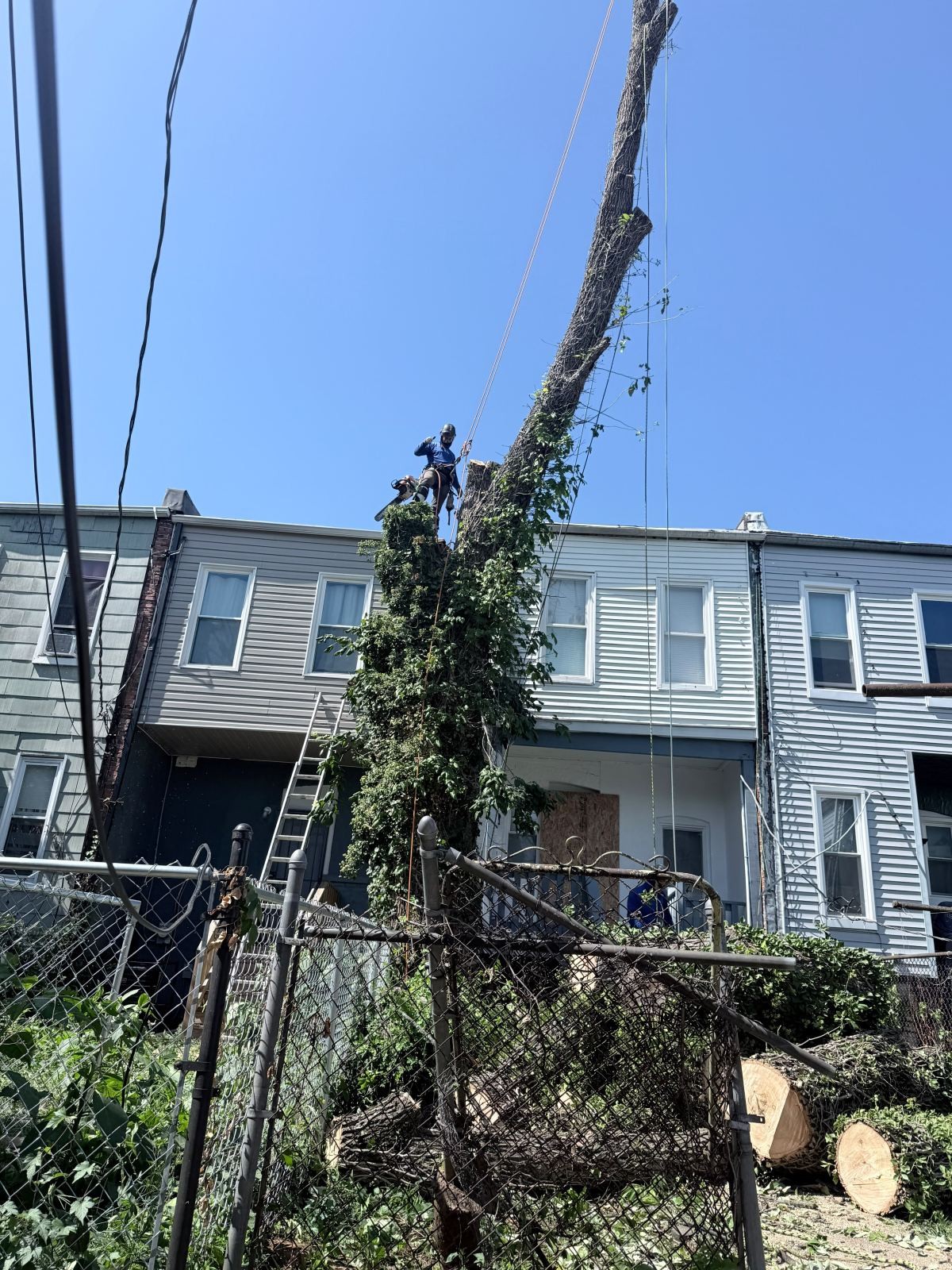
Professional tree removal is a carefully planned operation that prioritizes safety and property protection. Before the actual removal, a Licensed Tree Expert evaluates the tree’s condition, its lean, health, and surrounding obstacles such as buildings, power lines, fences, and landscaping. This assessment determines the safest removal method, which may include climbing with rigging, bucket truck use, or crane-assisted removal depending on the tree size and site access.
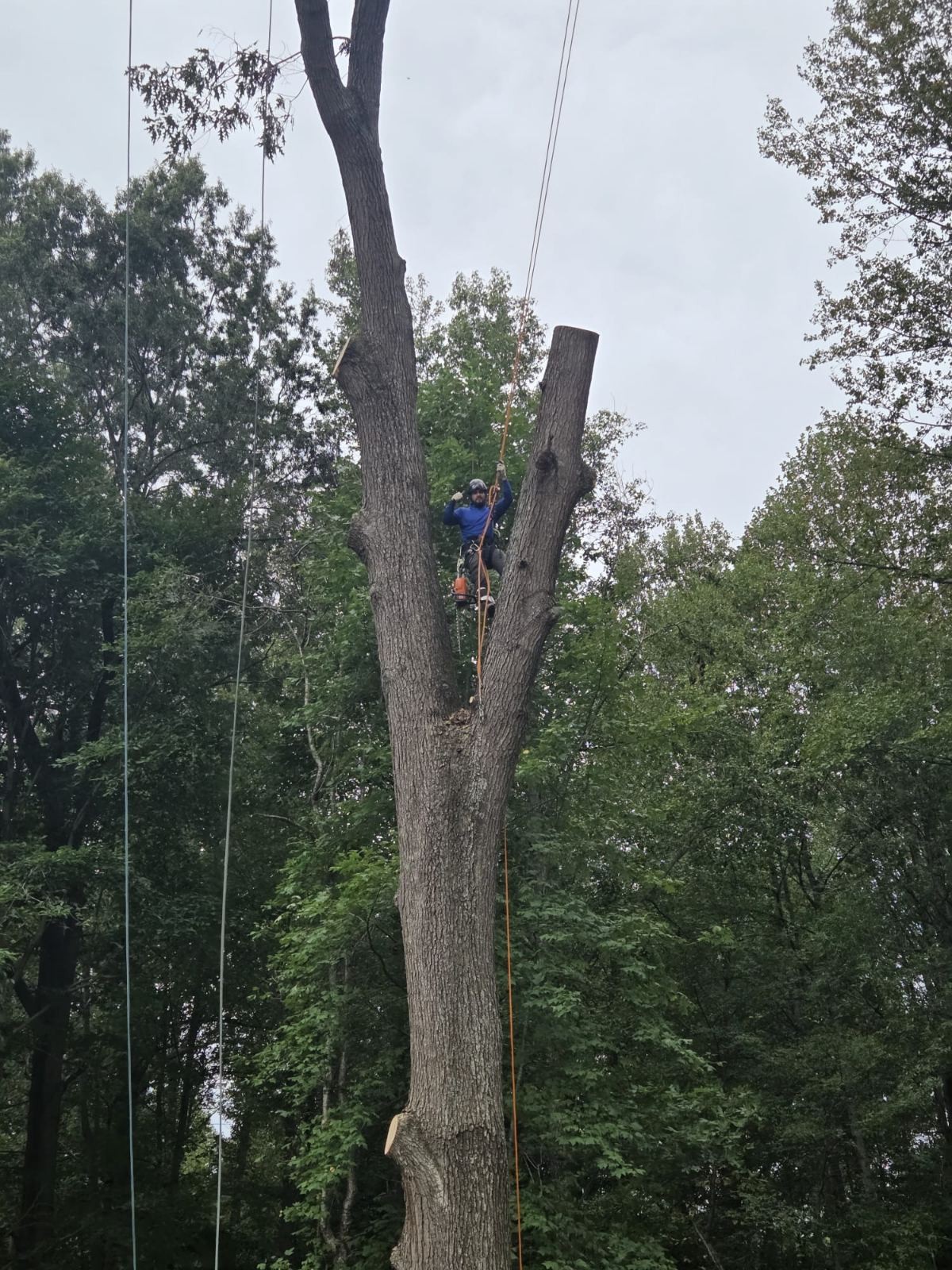
The removal itself is done in sections, starting from the top and working downward to avoid uncontrolled falls. Crews establish a controlled drop zone where branches and trunk pieces are lowered and processed. This method reduces the risk of damage to structures and landscaping. The entire process can take a few hours to a full day depending on the tree’s size and complexity.
Preparing Your Property Before Removal
To help the removal go smoothly, clear the work area of any obstacles. Move vehicles away from driveways and parking areas near the tree. Remove outdoor furniture, grills, garden decorations, and toys from the drop zone to prevent damage. If you have movable plants or planters, relocate or cover them to protect from debris.
Ensure gates and walkways are unlocked and clear for equipment and crew access. Disable irrigation systems temporarily to avoid accidental watering during the work. It’s also important to keep pets indoors or away from the work zone for their safety throughout the removal process.
Coordinating with Your Tree Removal Service
Before the removal day, communicate your preferences regarding wood and debris. Decide if you want the wood left on site for firewood or removed entirely. Confirm these details with your tree service provider to avoid confusion. Also, notify your neighbors if the work will affect shared fences or driveways.
On the day of removal, the crew will set up safety cones, signage, and establish a no-entry buffer zone around the work area. They will wear personal protective equipment and follow strict safety protocols to protect everyone on site. Understanding this setup helps you stay clear of the work zone and know what to expect.
After Tree Removal: Cleanup and Site Restoration
Professional tree removal includes thorough cleanup of branches, wood chips, and debris to restore your property’s appearance. The crew will haul away or stack wood according to your instructions. If stump grinding is part of the service, this will also be scheduled to complete the removal process.
After cleanup, inspect the site for any damage or concerns and communicate them promptly to your tree service provider. Proper preparation and coordination help ensure that your property is left safe, clean, and ready for future landscaping or construction projects.
Common questions
What should I move or clear from my yard before tree removal?
Before tree removal, remove vehicles from the driveway and clear outdoor furniture, grills, garden decorations, and toys from the work zone. Relocate movable plants or cover them to protect from falling debris. Unlock gates and clear walkways to allow easy access for equipment and crew.
How do I communicate my preferences about wood and debris removal?
Discuss your wood and debris preferences with the tree removal company before the removal day. Decide if you want the wood stacked for firewood or completely removed. Confirm these details in writing or during your estimate to ensure the crew follows your instructions.