

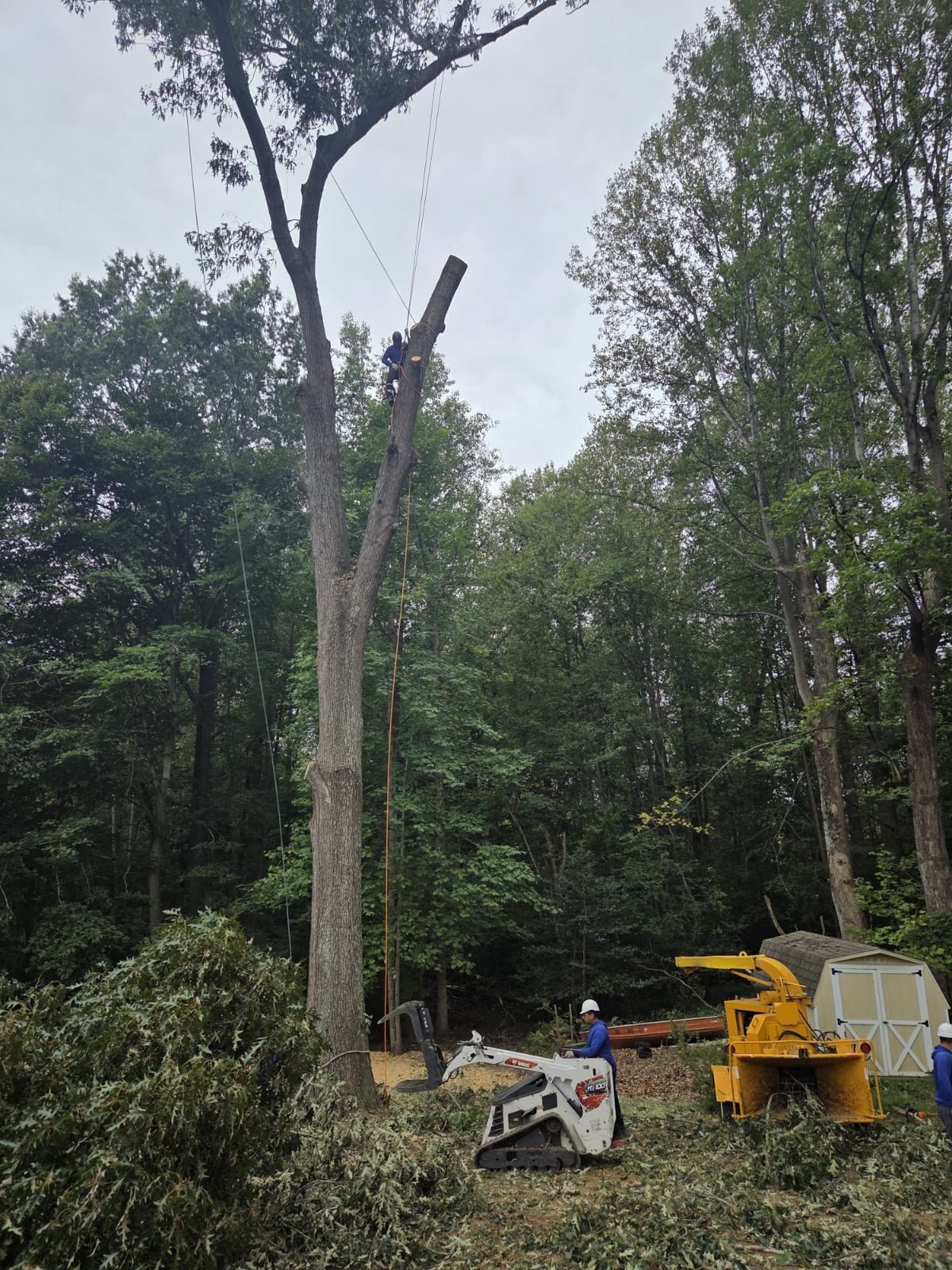
When several trees need different work, prepare a separate entry for each tree and state what you are requesting: removal, pruning, an assessment, or no work for now. Identify each tree by a simple label and location, then ask the provider to confirm which trees and tasks are included in the proposed scope. This reduces ambiguity when you review the estimate, schedule, and cleanup details.
Make a tree-by-tree inventory
Start with a short list rather than describing the property as one general tree job. Give each tree a label, such as Tree A or the maple beside the rear patio, and note where it stands. Use descriptions you can recognize later: front-left corner, behind the shed, or near the driveway entrance. If trees are close together, include a distinguishing feature so the labels cannot easily be confused.
For each entry, record what prompted the request and what you want considered. One tree might be a removal request, another might need pruning, and a third might simply need a professional assessment before you decide. Keep observations separate from conclusions: “large limb overhangs the garden” describes what you see, while “must be removed” is a decision to discuss. A provider may recommend a different scope after assessing the site.
- Tree label and recognizable location
- Requested work: removal, pruning, assessment, or no work currently requested
- Visible concern or reason for asking
- Any decision you have not made yet
A separate entry for every tree gives you a reference point for the estimate and follow-up questions.
Make the requested scope explicit
When you contact a provider, share the inventory and ask for the proposed work to be described tree by tree. Confirm which entries are included as removals, which involve another type of work, and which are only being assessed. If the recommendation differs from your request, ask that the difference be explained before you decide. A general phrase such as “remove trees in the backyard” may leave uncertainty about how many trees are included and which ones the phrase refers to.
Clarify what “removal” means in the written scope for each tree. Ask whether the estimate describes taking down the tree, handling the resulting material, and any stump-related work, or whether those items are treated separately. Do not assume that one tree’s listed cleanup or stump work applies to every other tree. The service page describes tree removal as a service and mentions debris cleanup, but the details for a particular property should be confirmed directly in the proposed scope.
- Which labeled trees are included in the proposed work?
- Is each tree listed for removal, pruning, or assessment?
- What work and cleanup are included for each removal?
- Are stump grinding or other requested tasks listed separately?
Use photos to match labels to trees
Photos can help connect your written labels to the trees you mean. Take a wider view that shows the tree’s position in relation to a recognizable part of the property, then add a closer view if it helps explain the concern. Keep the labels consistent between your list and the photo notes. For example, a note reading “Tree B, beside the detached garage” is more useful than an unlabeled image when several trees appear in the same view.
Treat photos as context, not as a substitute for an on-site assessment or a written scope. A picture may not show every relevant condition, access detail, or boundary. If a tree is near a public road, a shared boundary, or a regulated area, ask what permissions or review may apply before work is scheduled; requirements depend on the tree’s location and circumstances. Do not assume that a general estimate settles those questions. For more preparation ideas, see this guide to photos and estimate questions.
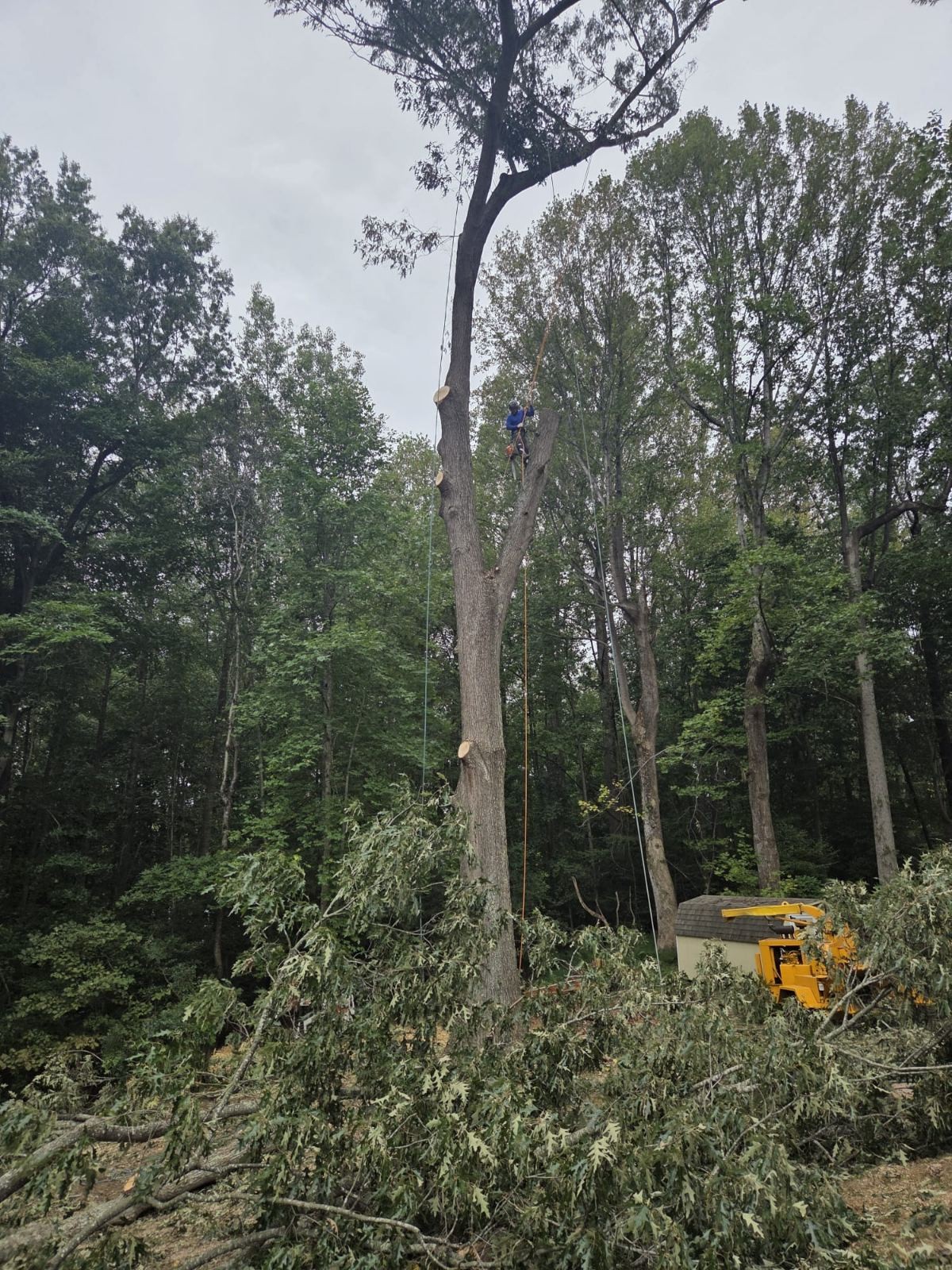
Review the estimate and confirm changes
Before accepting a proposal, compare its tree labels with your inventory. Check that each requested removal is either included, excluded, or identified as needing further discussion. Look for clear descriptions of the work and cleanup, and ask about any item that is missing or too broad to interpret. If the estimate groups several trees together, request a clear explanation of which trees that line covers. A written scope is easier to review when it uses the same names or labels you used during the discussion.
If the plan changes after a site visit or conversation, ask for the revised scope to be recorded before work begins. This is especially helpful when a tree originally listed for assessment is later considered for removal, or when you decide to defer one tree. Keep the updated list and proposal together so everyone can refer to the same version. For a broader look at comparing written proposals, use this guide to comparing tree removal estimates.
- Every tree has a recognizable label or location.
- The requested work and proposed work are distinguishable.
- Cleanup and any stump-related work are described clearly.
- Open questions and changes are recorded in the current scope.
If the proposal does not make clear which trees are included, ask for clarification before treating the scope as settled.
Common questions
What if I am unsure whether a tree should be removed?
List it as an assessment request rather than presenting removal as a settled decision. Describe what you have noticed and ask the provider to explain the options after reviewing the tree. You can then decide whether to include removal, request another type of work, or leave it out of the current scope. The recommendation and the final work should be clear in the written proposal.
What should I do if the estimate groups trees together?
Ask which labeled trees the grouped line covers and what work is included for each. If one tree has a different request or cleanup need, ask whether that should appear as a separate line or description. The goal is not a particular estimate format; it is a scope you can match to your inventory. Contact Allison Tree Services to discuss a tree removal request and clarify what information to provide.